How to choose a GPU for 1440p ultrawide gaming in 2025
Choosing a GPU for 1440p ultrawide gaming in 2025 requires more than matching a graphics card to a resolution label. A 3440×1440 monitor renders around 34% more pixels than standard 2560×1440, so modern games place a heavier load on the GPU, especially when high refresh rates, ray tracing and demanding texture packs are involved.
The right purchase depends on the games you play, your monitor’s refresh rate, and how long you expect the card to last. A 100Hz display has very different requirements from a 165Hz or 240Hz panel. Competitive shooters may favour high frame rates and low latency, while cinematic single-player games benefit from visual quality, stable frame pacing and generous VRAM.
Australian buyers also need to account for local pricing, GST, retailer warranty support and the warmer conditions found in places such as Brisbane, Darwin and Perth. A graphics card that looks excellent value in US pricing can be far less attractive after conversion, shipping and Australian retail margins are included.
Resolution changes the workload
Ultrawide 1440p sits between ordinary 1440p and 4K in GPU demand. The extra horizontal pixels are easy to underestimate, particularly in games with large outdoor environments, dense crowds or extensive post-processing. At this resolution, a mid-range card can deliver excellent results in older esports titles but struggle when a new release combines ultra presets, ray-traced lighting and a high refresh target.
For most buyers, the sensible starting point is a modern upper-mid-range GPU. Nvidia’s GeForce RTX 5070 and RTX 5070 Ti, along with AMD’s Radeon RX 9070 and RX 9070 XT, occupy the class worth investigating for a strong 3440×1440 experience. Exact performance varies by game, driver and settings, but these cards generally offer a better balance than entry-level models designed primarily for standard 1440p.
Think in terms of frame-rate targets rather than vague quality labels. Aiming for 60 to 90 frames per second allows more room for visual quality, while 120 to 165fps demands considerably more rendering power. If your ultrawide monitor runs at 100Hz, there is little value in spending heavily for performance you cannot see outside competitive games.
Match the GPU to your monitor
A 100Hz or 120Hz ultrawide is a comfortable match for cards such as the RTX 5070, RX 9070 or comparable previous-generation models bought at a significant discount. These GPUs can often deliver smooth performance using high settings, with selective reductions to shadows, reflections and volumetric effects. They are also easier to cool and less demanding on the power supply.
For 144Hz and above, step up toward the RTX 5070 Ti, RX 9070 XT or RTX 5080 class if your budget permits. The faster options matter most in games that scale well with raw rasterisation performance, including racing titles, first-person shooters and large open-world games. An expensive flagship is unnecessary if you mostly play slower-paced adventures at 75 to 100fps.
Adaptive sync should be part of the decision. FreeSync Premium displays generally work well with both AMD and Nvidia GPUs through DisplayPort, while G-Sync-compatible certification can provide extra reassurance for Nvidia users. Check the monitor’s supported refresh range, DisplayPort version and whether its full resolution and refresh rate require Display Stream Compression.
Consider VRAM, ray tracing and upscaling
For a new ultrawide gaming PC, 12GB of VRAM is a reasonable floor, while 16GB gives more breathing room for high-resolution textures and future releases. Cards with 8GB can still run many games well, but they may require texture reductions sooner, particularly when a title has poorly optimised asset streaming. VRAM usage also rises when you combine ray tracing with ultra-quality texture packs.
Ray tracing changes the GPU hierarchy. Nvidia cards remain compelling when you value mature ray-tracing performance, DLSS upscaling and frame generation. AMD’s current Radeon options can deliver excellent traditional rasterisation performance and often offer competitive memory capacity, but the gap can widen in games built heavily around path tracing or advanced reflections.
Upscaling is useful rather than a substitute for adequate GPU power. DLSS, FSR and XeSS can lift frame rates, but quality varies with the game and preset. At 3440×1440, a quality-mode image usually looks convincing, whereas aggressive performance modes can soften fine details. Frame generation can make a game feel smoother, though it does not reduce the input latency associated with the underlying rendered frame rate.
Check case, power and cooling requirements
Physical size matters in an ultrawide gaming build because many current graphics cards are large, heavy and three or more slots thick. Measure the case’s maximum GPU length with front fans or a radiator installed, then check clearance around the power connector. A card that technically fits may still create an awkward bend in a modern 12V-2x6 cable.
A quality 750W power supply is a sensible starting point for many upper-mid-range systems, while higher-tier GPUs may justify 850W or more depending on the CPU and overclocking plans. Choose a recent ATX 3.0 or ATX 3.1 unit with the appropriate native cable, rather than relying on a collection of adapters. Australian homes use 230–240V power, so the important issue is PSU quality and local compliance, not a special gaming voltage requirement.
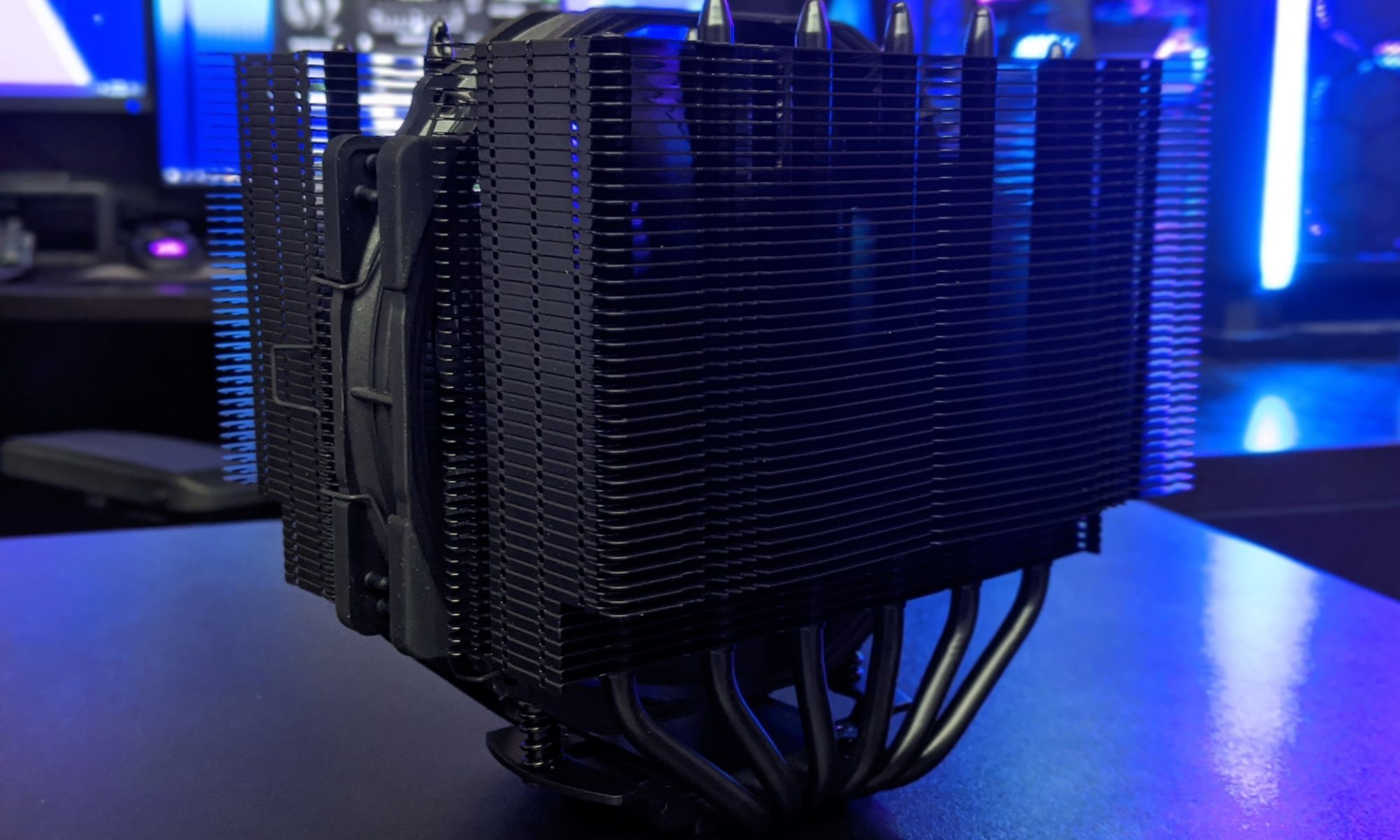
Case airflow becomes particularly important during an Australian summer. A Brisbane room without strong air conditioning, or a dusty Perth setup exposed to dry conditions, can push GPU temperatures and fan speeds higher than review benchmarks suggest. Use a case with unrestricted front intake, sensible exhaust airflow and washable filters. For compact systems, compare cooler noise and radiator clearance alongside raw frame rates; our guide to 120mm ITX coolers is useful when CPU cooling space is limited.
Compare Australian value carefully
Retail pricing can change quickly between Sydney, Melbourne, Adelaide and regional areas. A graphics card advertised at a sharp price in a local sale may sell out quickly, while freight to Tasmania, the Northern Territory or a remote Queensland postcode can reduce the saving. Check several Australian retailers, include delivery costs and compare the exact model rather than assuming every version of a GPU performs or sounds the same.
EOFY promotions, Black Friday sales and major launch discounts can make an older high-end card a better purchase than a new mid-range model. Previous-generation cards are worth considering when they offer 16GB or more of VRAM and carry a substantial discount, but assess remaining warranty, cooler condition and power consumption. Used hardware through Facebook Marketplace or Gumtree can be tempting, although a modest saving may not justify uncertain history or limited buyer protection.
Australian Consumer Law gives buyers important protections when products are faulty or fail to meet reasonable expectations. Keep invoices and check whether the retailer or manufacturer handles warranty claims. Before buying, read independent GPU reviews that measure noise, thermals and power draw rather than relying only on average benchmark charts.
Use this buying checklist
Your final choice should reflect the whole system. A fast GPU paired with an older six-core CPU may deliver excellent results in visually demanding games, yet struggle to maintain high frame rates in simulation titles, massive multiplayer worlds or competitive games at low settings. Check your processor, memory capacity and storage space before assuming the graphics card is the only upgrade needed.
It is also worth deciding which compromises you can tolerate. Lowering ray-traced shadows is often difficult to notice during play, while reducing texture quality can be more obvious. Setting a practical frame-rate cap can reduce heat and noise, especially if your monitor supports adaptive sync and you are playing well above its maximum refresh rate.
- Choose 12GB of VRAM as a minimum for a new purchase, with 16GB preferred for long-term use.
- Match the card to the display: roughly 100–120Hz needs less GPU power than 144–165Hz.
- Favour Nvidia for ray tracing, DLSS and frame generation, or AMD for strong raster performance and memory value.
- Confirm case length, slot thickness, cable clearance and the recommended PSU before ordering.
- Compare Australian prices after GST, delivery, warranty terms and seasonal discounts.
A well-chosen card should handle current games at high settings without forcing every feature to its maximum. For many Australian 3440×1440 systems, the best value lies in the upper-mid-range rather than the most expensive flagship. Spending the difference on a better monitor, a quieter case or a larger SSD can produce a more enjoyable upgrade than chasing a few extra frames in demanding titles.