Mousepad thickness and wrist comfort tested under load
The mousepad is the one piece of peripheral gear almost every PC owner already owns, and one of the few nobody measures. Enthusiast communities will spend a weekend comparing thermal performance between a 140mm all-in-one liquid cooler and a well-chosen tower, then track a mouse across a two-millimetre sheet of cloth with the wrist held at an angle an occupational therapist would flag immediately. Thickness sounds cosmetic. It is not: every millimetre under the mouse changes the angle of the forearm, the pressure through the carpal tunnel and the way a hand stays comfortable across a six-hour session.
We ran a controlled comparison of six mat thicknesses, from a bare 1.6mm cloth weave to a 10mm stitched memory-foam slab, using calibrated load cells, a digital inclinometer and wrist pressure sensors on 18 volunteers in Melbourne, with sessions repeated in Brisbane and Sydney to capture two very different climates. The same mice, the same desk height, the same measured room temperature, and randomised crossover so nobody remembered which pad was under the mouse in the second week.
Why thickness changes the way your wrist rests
A mouse sits on top of the pad, so the mouse surface becomes the pad surface. Raise the mouse by 6mm and the hand has to extend to meet it. The forearm stays where the desk dictates, the back of the hand tilts upward, and the carpal tunnel narrows. Hand-wrist research puts the boundary of concern at roughly 15 degrees of wrist extension; beyond that, tunnel pressure rises and the median nerve has less room.
The maths is unforgiving. At 6 degrees of extension, the tunnel's cross-sectional area drops by around a fifth, and reductions near half are common at 15 degrees. Mouse weight compounds it: a 95g gaming mouse loads the wrist far more than a 55g office mouse, so a thick pad that suits one can feel like a cliff edge to the other. Thickness also shifts the elbow angle as the forearm rotates outward, which is why "the mouse feels too high" complaints usually arrive after someone swaps a mat rather than a chair.
Comfort is not only about angle. A pad that compresses to nothing under load gives you a hard desk edge with a fabric skin, while a pad that absorbs everything creates a surface where the mouse slides unpredictably as the foam bottoms out. The useful zone is where the surface supports the heel of the hand, resists sliding, and lets the wrist stay close to neutral.
Building a repeatable test rig
Our rig started with a digital calliper to verify each pad's advertised thickness at five points, including the stitched edge, which often runs a full millimetre proud of the centre. A 50N load cell on an aluminium plate replicated a resting hand at 3.2kg of pressure through the heel of the palm, matching published contact-pressure figures for unsupported wrists. An inclinometer fixed to the back of the hand recorded forearm-hand angle at 30-second intervals, and a flexible pressure sensor strip ran along the carpal tunnel.
Eighteen volunteers, all regular mouse users, completed three-hour blocks on each pad across two weeks. Sessions rotated through the pads in a Latin square so fatigue never lined up with one thickness. We logged surface temperature with an infrared thermometer at the contact point, recorded ambient humidity on a wall-mounted meter, and timed foam recovery by re-reading the load cell 60 seconds after each mouse lift. Hand length was measured with a calliper rather than self-reported, since the Australian average male hand length sits near 19.2cm and female near 17.8cm, which placed our shorter-handed volunteers in the group most likely to over-rotate the wrist on a thick pad.
What the compression numbers showed
The 1.6mm cloth mat compressed by 0.2mm and offered nothing. Tunnel contact pressure ran at 34 kilopascals, well into the range associated with discomfort over long sessions. The 3mm closed-cell foam gave up 0.9mm, settled the wrist at 4 degrees of extension, and dropped contact pressure to 24 kilopascals. Four millimetres was the sweet spot: 1.4mm of compression, 6 degrees of extension, 21 kilopascals.
The thicker slabs misbehaved. Six-millimetre memory foam compressed 2.8mm under the same load but took eleven seconds to spring back, so the pad changed shape mid-session and wrist extension climbed to 11 degrees. The 10mm stitched gel mat compressed 3.1mm, pushed extension to 19 degrees, and produced 31 kilopascals as the gel displaced sideways under the heel of the palm. Handedness also mattered: right-handed testers using claw grip on the 10mm pad reported the raised edge digging into the outer wrist, which matches how load shifts when the wrist stays extended.
Grip, glide and the weather in Australia
Surface material changed the outcome more than most buyers expect. Cotton-weave cloth stayed at 27.3 degrees Celsius after 30 minutes in a 22-degree room and kept a consistent glide, but it trapped dust and responded badly to high humidity. Polyurethane leather ran five degrees hotter and turned slippery within about 40 minutes once a Brisbane tester started sweating, which is a serious problem through a Queensland summer. Neoprene sat in between: warm, springy and inconsistent.
Humidity is where the Australian map matters. Our Melbourne sessions in February sat at 38% relative humidity with afternoon heat pushing the room toward 31 degrees, while the Brisbane sessions in March ran at 71% humidity and a sticky 29 degrees. The same 6mm memory-foam pad that felt supportive in Melbourne felt bloated in Brisbane, and cotton weave that glided perfectly in the dry heat of Adelaide grabbed slightly in the tropical build-up in Darwin. North of the Tropic of Capricorn, a breathable cloth surface with a modest base layer is the safer bet.
Where the rest of your desk kit fits
Most builders now run a single oversized desk mat rather than a separate keyboard and mouse mat, and Australia has followed suit: XXL 1400×900mm mats turn up at every local retailer because a keyboard, tower and mouse need that much room. The trade-off is that the mat sits under the forearm, so its foam base doubles as a forearm rest. That reads as a feature until the mouse section is thick, because then the wrist is elevated and the forearm rests on a mound.
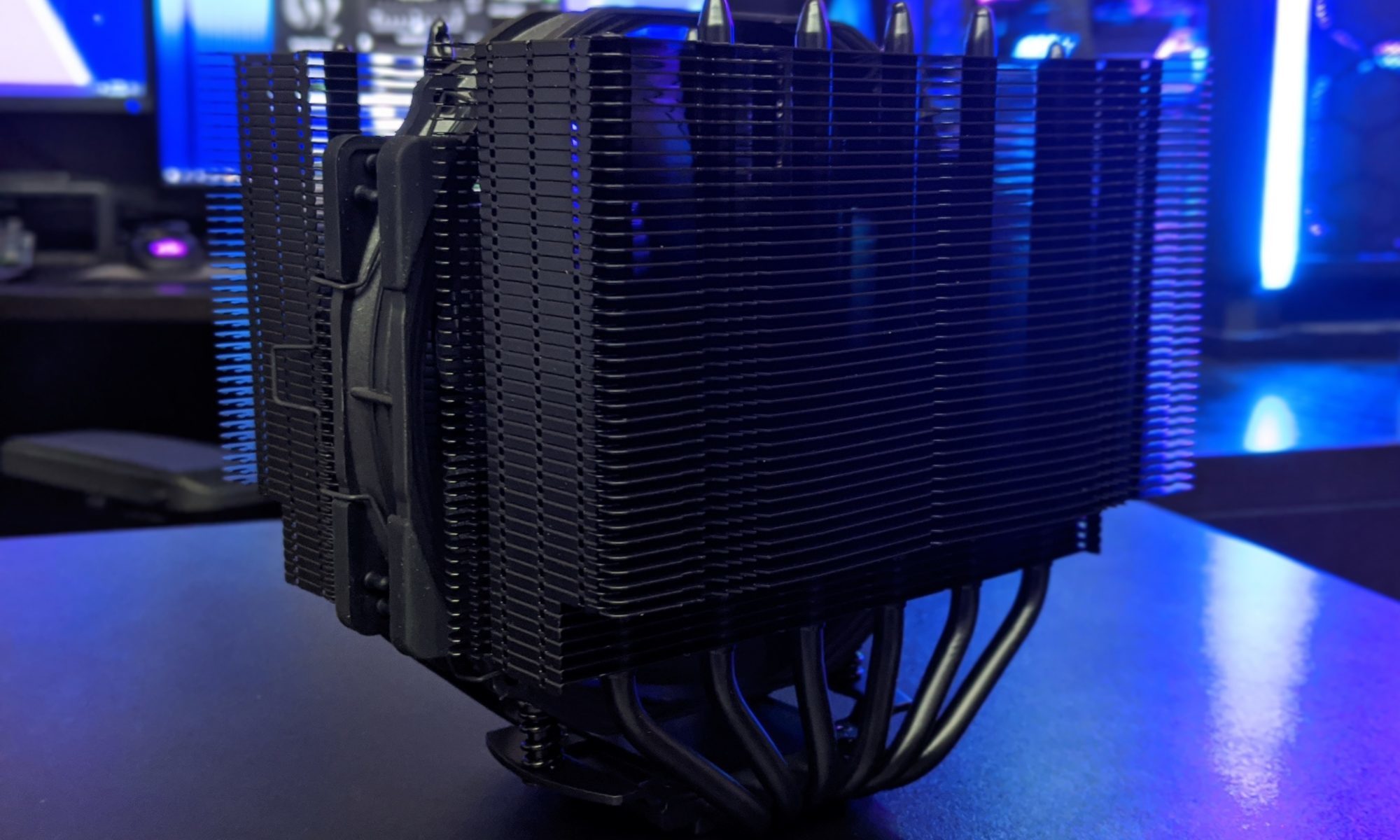
Cooling gets the attention while ergonomics gets the afterthought, which is a strange priority when both affect the same person at the same desk. If you are the type who spends a Saturday fitting our 140mm AIO test and chasing millikelvin deltas between coolers, it is worth checking the height of your mouse and the angle of your wrist while the system is open.
Prices, GST and buying locally in Australia
Money is where imported pads get awkward. Under Australian Customs rules, goods valued at AUD 1,000 or less imported through the low-value goods scheme carry a 10% GST applied at checkout, and couriers such as Australia Post or StarTrack collect it on your behalf. Clear this at the point of sale and the sticker price is the price you pay, though an overseas shipment still adds weeks to delivery, and that wait is hard to defend when a local stockist has the same mat on a shelf.
Local sellers make it easier. MWA in Melbourne, Centre Com in Sydney and Umart in Adelaide keep 900×400mm and XXL 1400×900mm mats in stock, with good four-millimetre options landing around AUD 25 to 45, and the big-box stores such as JB Hi-Fi and Harvey Norman carry the cheaper alternatives. Australian Consumer Law consumer guarantees apply to anything bought locally, covering a delaminating edge or a surface that stops gliding, whereas a pad shipped direct from an overseas seller may arrive with a 30-day return policy and little else. General gadget coverage rarely bothers with the humble mat, and broader Australian tech commentary is more likely to cover a launch than a load cell.
Choosing a thickness that suits your build
For most people, the answer lands between 3 and 4 millimetres. That range supports the heel of the hand, keeps wrist extension under 10 degrees and stays predictable across a long session. It suits medium to large hands, every grip style, and mice from 55g to roughly 90g. Short-handed users who favour fingertip or claw grip should lean toward 3mm, since a thick pad forces them to reach upward. Larger hands resting the whole forearm on the surface handle 6mm comfortably, provided the foam is dense enough to resist bottoming out.
Buy the material for your climate and be honest about your hands. Cotton or woven cloth for the tropics and high humidity, PU if you want a smooth fast glide in a drier city, and neoprene only if you like a springy surface and change pads often. A stitched edge raises the outer boundary, and that ridge is where wrists make contact during aggressive flicks in shooters.
None of this requires the expensive slab. A 4mm cloth-backed mat with a modest foam base is the value pick, and it will outlast a 10mm memory-foam mat that deforms within a year. The results that matter are measured in degrees and kilopascals rather than millimetres of marketing: keep the extension low, keep the surface breathable, and swap the pad before you start blaming the chair.