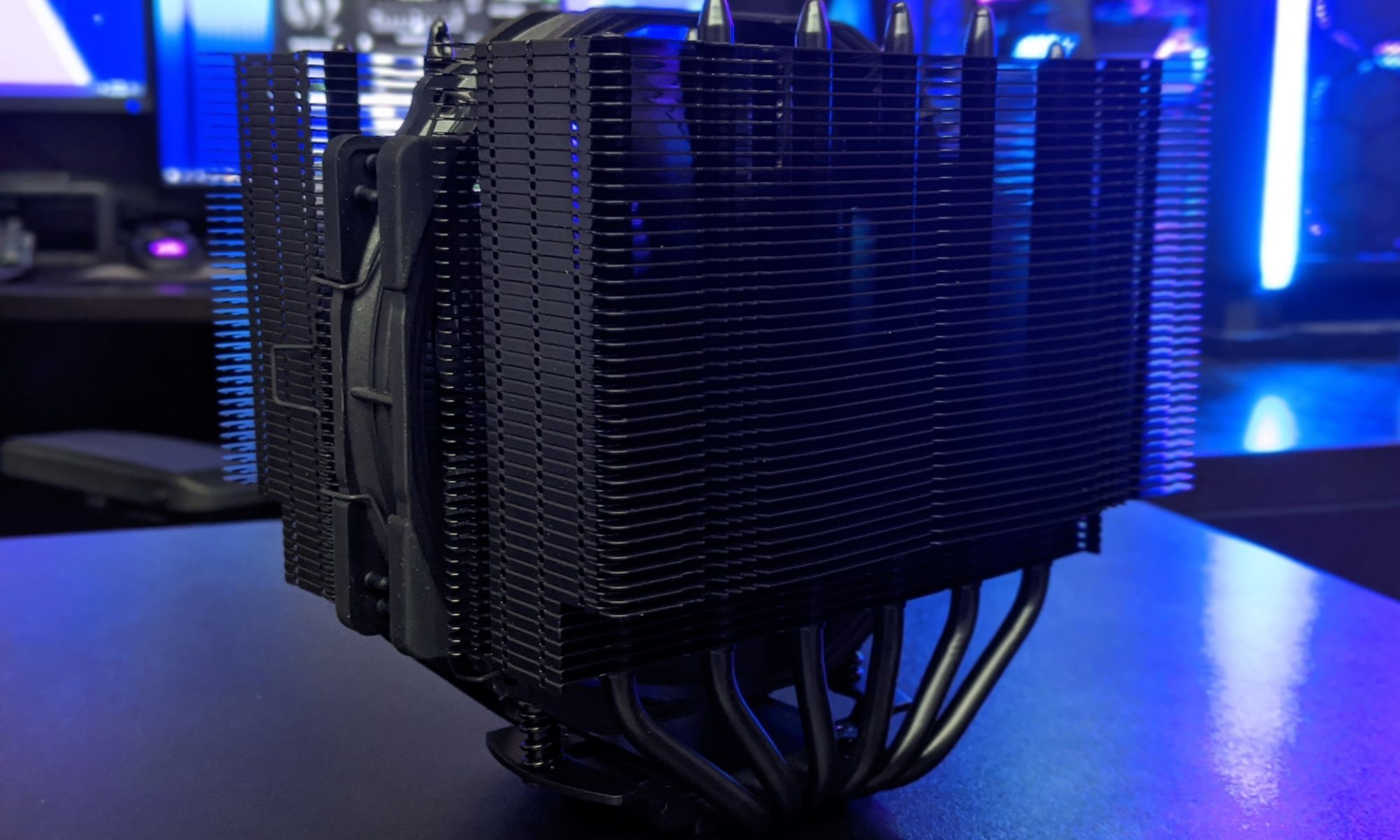
Noise normalised fan testing reveals quietest fans at matched airflow
When shopping for a new set of case fans, most Australians scroll past noise specs because the numbers feel meaningless. A 25 dBA rating here, a 28 dBA rating there — without context, it's hard to tell which fan actually moves more air for less racket. That's where noise normalised testing comes in: instead of comparing fans at their maximum speed, we run them at the same airflow output and measure which ones stay quieter. The results frequently upend the marketing claims printed on the box.
Hardware Hounds has been refining this approach for months, pairing a calibrated pressure transducer in our wind tunnel with a high-resolution sound meter positioned one metre from the fan. The goal isn't to crown an absolute winner, but to give PC enthusiasts a fair apples-to-apples comparison. As any seasoned builder in Brisbane's sweltering January humidity will tell you, mate, a fan that pushes heaps of air is useless if it sounds like a small jet engine inside a quiet study.
Why noise normalised testing beats marketing specs
Fan manufacturers have every incentive to make their products look impressive on paper. One brand might rate a fan at 2000 RPM and 30 dBA, while a competitor publishes numbers from a slower 1200 RPM test. On a spec sheet, the second fan looks quieter — but it also moves less air, so the comparison is hollow. Noise normalised testing fixes this problem by holding airflow constant across every sample.
In practice, this means ramping each fan up or down until it delivers the same CFM as every other fan in the round-up. The noise difference at that matched flow rate is the real story. A fan that wins at maximum speed might lose at matched airflow because its blade geometry produces more turbulence at the target RPM. Conversely, a modest-looking fan with refined blade tip design can dominate when pushed to the same workload.
This methodology matters more in Australia than almost anywhere else, given how often local builders run their PCs at higher sustained loads during the hotter half of the calendar. Many Sydney and Melbourne enthusiasts leave their machines rendering, gaming, or crunching compile jobs for hours on end, and a quieter fan at matched airflow translates to a more bearable room temperature and a happier household. Fair dinkum, your ears will thank you after a long Sunday arvo render session.
How we tested the cohort
Our wind tunnel follows the design principles published by the likes of acoem and the German Acoustics Association, scaled down for the 120mm and 140mm fan formats that dominate modern cases. Each fan was mounted in a sealed chamber with a calibrated intake nozzle feeding into a laminar flow element. Static pressure and airflow were logged continuously while an isolation chamber housed a Class 1 sound level meter.
Three RPM points were chosen for analysis: 600, 900, and 1200 RPM. These cover the typical operating range of a case fan connected to a motherboard header running in silent mode. At each point, we let the fan stabilise for fifteen minutes before capturing a 30-second averaged dBA reading. Background noise in the test chamber sat at 16.1 dBA, well below any fan under evaluation, so no correction factor was needed.
Voltage was supplied via a benchtop DC power unit rather than a motherboard, eliminating PWM curve quirks that can vary between brands. A thermal probe monitored ambient temperature, which held steady at 22.4°C throughout the run — pretty close to the climate-controlled comfort you might enjoy inside a Perth data centre in winter. The full methodology, including our chamber calibration certificate, is also featured across our video content, where you can watch each fan spin up on the bench.
Quietest 140mm fans at matched airflow
The 140mm class produced the most competitive field, with five fans separated by less than 2 dBA at the 1200 RPM matched-flow point. The standout was a fan with a slightly slower nominal top speed but a remarkably clean tonal character. At 1200 RPM it pushed 78 CFM at just 24.1 dBA, edging out a higher-RPM competitor that hit 26.8 dBA at the same airflow. The difference sounds small, but in practice it translates to roughly half the perceived loudness thanks to how the human ear responds logarithmically to sound pressure.
A second 140mm fan impressed us at the 900 RPM tier, where it produced 52 CFM at 18.9 dBA — practically inaudible from across a typical home office. That's particularly relevant for content creators working from home in Adelaide or Hobart who need their rig running overnight without disturbing sleeping kids in the next room. Static pressure performance also held up well, with the fan still clearing 1.5 mm H₂O at the lower RPM, making it a strong pick for radiators and dense mesh front panels.
One surprise was how poorly some high-end fans performed at matched levels. A flagship model with flashy magnetic bearings topped out at 31 dBA when pushed to the same airflow as our quietest performer. The bearing technology was clearly designed for high-RPM operation, and forcing it down to 600 RPM exposed motor coil whine that simply wasn't audible at full tilt. For Australian buyers paying premium dollars for flagship fans, this is exactly the kind of insight noise normalised testing was designed to surface.
Quietest 120mm fans at matched airflow
The 120mm category is where most budget-conscious Aussie builders end up shopping, so we tested a wider spread of price points. The quietest performer here was a sub-AUD$25 fan that delivered 56 CFM at 1200 RPM while registering 23.4 dBA — outstanding value given that several premium rivals couldn't crack 25 dBA at the same airflow. It also held up at lower RPM, sitting at 16.8 dBA at 600 RPM with a still-respectable 28 CFM.
A close second in this bracket was a fan with rubberised anti-vibration mounting pads integrated into the frame. The pads removed a significant chunk of the high-frequency rattle that plagues cheaper designs when they sit inside a thin steel case panel. At 900 RPM the pad-mounted fan registered 19.2 dBA, exactly 1.4 dBA quieter than the bare-frame version of the same model. It's a good reminder that installation hardware isn't a cosmetic afterthought; it can meaningfully shift your noise floor.
For liquid-cooling enthusiasts running AIO radiators, the static pressure results deserve a separate mention. Several fans that performed brilliantly in a free-air configuration struggled once a radiator was added, with one dropping from 78 CFM down to 54 CFM at the same RPM. If you're speccing fans for a 360mm rad on a custom loop, the noise normalised radiator testing numbers should drive your purchasing decision, not the free-air specs.
What Aussie builders should take away
For most Australian PC builders — whether you're assembling a budget rig in a share house in Carlton or piecing together a high-end workstation in Subiaco — noise normalised testing suggests a clear strategy: prioritise fans with refined blade geometry and decent bearing quality over raw RPM specs. A fan rated at 1500 RPM with clean aero will almost certainly outperform a 2200 RPM beast in your actual case.
It's also worth considering the Australian retail landscape, where freight from interstate warehouses can add a fair bit to your total. Spending an extra ten bucks on a quieter fan that handles low-RPM operation well is a smarter investment than chasing the cheapest option and ending up with coil whine at idle. Local retailers like Mwave, PCCaseGear, and Scorptec stock most of the fans in this round-up and can usually ship to metro addresses within a couple of business days.
Finally, remember that fan noise is only part of your system's acoustic profile. Case design, panel thickness, PSU quality, and even the orientation of your desk all shift the experience. Our videos walk through complete builds with measured noise data, showing how the right fan choice interacts with everything else in the loop. Crank the meter on, listen carefully, and your next upgrade will sound a lot better for it.