Poker Bluff Frequency Strategy Through a Hardware Enthusiast’s Lens
Good poker decisions depend on timing, opponents, position, and the number of bluffs included in a betting range. A player who bluffs every missed draw becomes easy to call, while someone who almost never bluffs leaves potential chips on the table. Finding the right balance is the central idea behind poker bluff frequency strategy.
That balance has an interesting parallel with PC testing. Hardware Hounds evaluates products by looking beyond a single headline result: temperatures, noise, consistency, power use, and price all influence the verdict. Poker works in much the same way. A bluff cannot be judged in isolation; its success depends on the complete range, the board texture, and the likely response from the opponent.
This article explains how to choose bluff frequencies, size bets, adjust to different opponents, and manage risk. It also separates poker strategy from casino games based primarily on chance, helping readers approach online gambling with clearer expectations and stronger control.
Why Bluff Frequency Matters
A bluff is profitable when the pressure it creates outweighs the money invested. If a player bets €30 into a €60 pot, the opponent must fold often enough for the wager to make financial sense. The exact threshold changes with the bet size, but the basic principle remains: larger bets risk more while demanding more folds, yet they also apply greater pressure.
Bluff frequency is therefore a range-management problem. Your betting range should contain enough strong hands to receive calls and enough weaker hands to prevent opponents from folding automatically. If every large river bet represents the nuts, attentive players can simply release medium-strength hands. If too many weak hands appear, calling becomes attractive.
This is similar to assessing a graphics card under sustained load rather than looking only at its peak benchmark. A single impressive result tells only part of the story. In poker, a single successful bluff says little about whether the underlying strategy is sound.
Building A Balanced Betting Range
The strongest bluffs usually have useful properties known as blockers and equity. A blocker is a card in your hand that reduces the number of strong combinations available to your opponent. Holding the ace of a suit, for example, can make a nut-flush draw or completed flush less likely in the opponent’s range.
Equity refers to the chance that a drawing hand improves when called. A missed straight draw may be a better bluff candidate than a hand with no realistic route to winning because it can still improve on some future cards. On the river, that future value disappears, so blockers and fold equity become more important.
A practical range often moves through three categories:
- Value hands that want calls from weaker holdings
- Bluff-catchers that can call selectively
- Bluff candidates chosen for blockers, missed draws, or favorable removal effects
The objective is not to make every category appear in identical proportions. Board texture and position determine the appropriate mix. A dry ace-high board may support fewer bluffs than a coordinated board with several missed draws, because the defender’s range behaves differently in each situation.
Sizing, Position, And Board Texture
Bet size directly influences required bluff frequency. A half-pot bet needs fewer folds than a pot-sized bet, while an overbet can represent a polarized range containing very strong hands and carefully selected bluffs. Larger sizing is most effective when the board makes it difficult for the opponent to hold strong bluff-catching hands.
Position adds another layer. Acting last provides more information because the opponent has already checked or bet. This makes late-position aggression more reliable, particularly in heads-up pots. Out of position, bluffing requires greater caution because the opponent can respond with pressure on later streets.
Board texture should guide the story your betting line tells. A static board with few draws often favors smaller, more selective pressure. A dynamic board with flush and straight possibilities creates more credible strong combinations, allowing larger bets in suitable spots. The best bluffs fit the board and the action rather than appearing randomly.
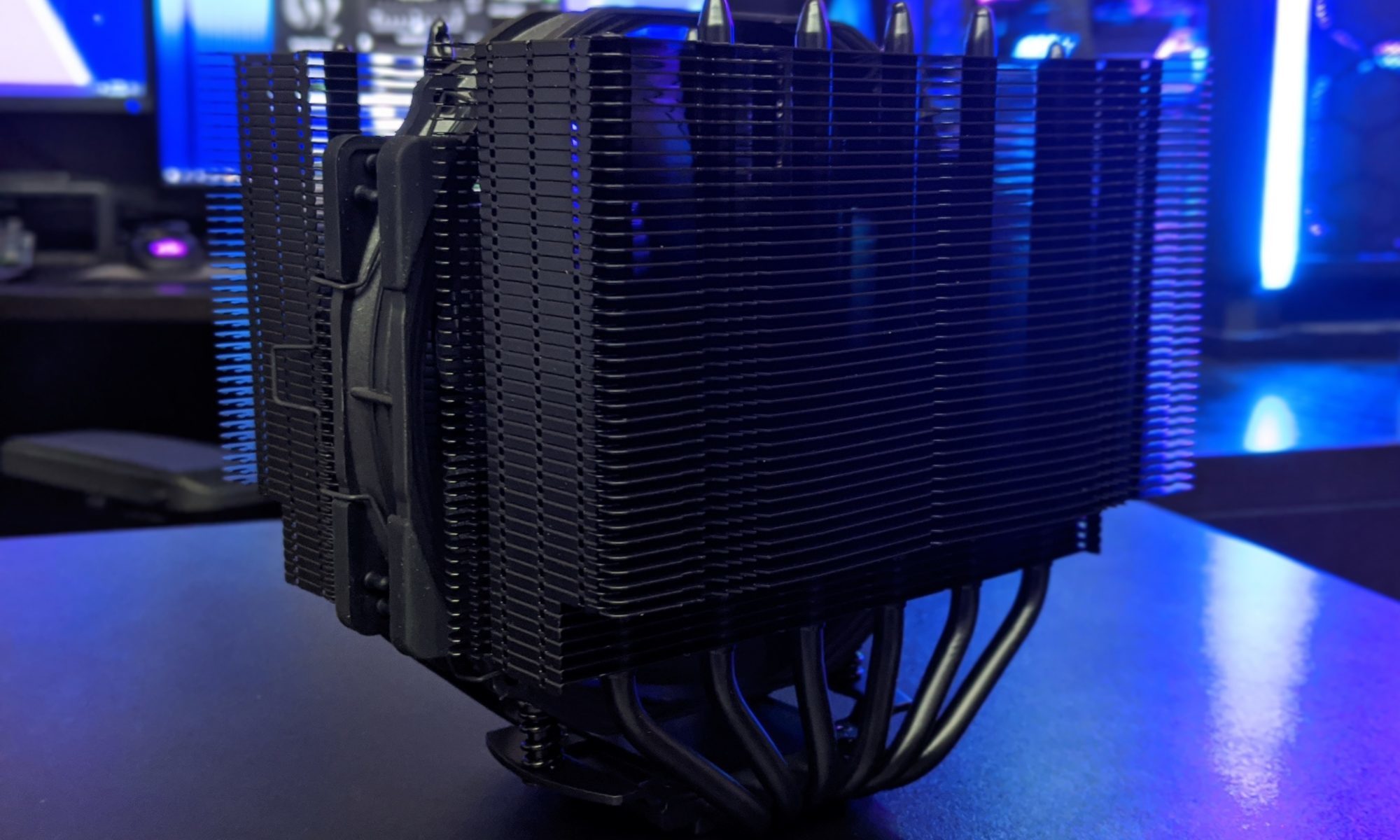
The same principle applies to product comparisons. A CPU cooler that performs well in a short burst may struggle during extended workloads. A bluff that works against one board or opponent may fail when the conditions change. Context determines performance.
Frequency Adjustments Against Real Opponents
Theoretical frequencies provide a baseline, but real opponents rarely defend perfectly. Against a player who folds too often, increase bluff volume, especially in situations where your range has a credible advantage. Against a calling-oriented player, reduce marginal bluffs and focus on value betting thinner hands.
Aggressive opponents require a different response. If a rival raises frequently after facing continuation bets, your strategy may need stronger check-calls and more robust value ranges. Bluffing into a player who enjoys applying pressure can create difficult decisions on later streets, particularly when your hand has no equity.
Observe tendencies without becoming predictable. Useful notes include how often a player folds to river bets, whether they defend the big blind widely, and how they react to missed draws. A small sample does not prove a permanent habit, so adjustments should be gradual rather than extreme.
Players reviewing online casino options should apply the same discipline to promotional information. A detailed TrueLuck Casino review can help compare bonuses, payment methods, withdrawal conditions, licensing information, and responsible gambling tools, but current terms should always be checked before depositing. A welcome offer or cashback promotion is not a substitute for a defined budget.
Frequency Benchmarks And Decision Checks
Exact optimal frequencies depend on the pot, bet size, ranges, and street. Still, a few simplified benchmarks can make the concept easier to apply. If a player bets half the pot, the opponent needs to win often enough to justify calling; if the bet grows to the size of the pot, the defense threshold changes. These figures are useful guides rather than rigid commands.
| Bet Size | Fold Frequency Needed To Break Even | Strategic Character |
|---|---|---|
| One-third pot | 25% | Light pressure and range probing |
| Half pot | 33% | Flexible, common sizing |
| Three-quarter pot | 43% | Stronger polarization |
| Pot-sized bet | 50% | High pressure with credible value |
| Two-times pot | 67% | Polarized overbet strategy |
Before bluffing, run through a short decision process. Ask whether your hand blocks calls, whether the board favors your perceived range, whether the opponent has enough hands to fold, and whether your chosen size tells a believable story. If several answers are negative, checking is often preferable.
Keep results separate from decision quality. A well-selected bluff can lose when called by an unusually strong hand, while a poor bluff can succeed because an opponent happens to fold. Reviewing the logic afterward is more valuable than judging the play by its immediate outcome.
Risk Control For Online Play
Poker strategy cannot remove variance. Even a balanced bluffing range experiences losing sessions, and emotional reactions can damage decisions faster than a weak theoretical line. Set a fixed bankroll for entertainment, choose stakes that do not affect essential expenses, and establish a session limit before playing.
Casino games such as slots, roulette, and many table games operate differently from poker. Bluff frequency has no influence over a random slot result or a roulette spin, and promotional rewards do not change the underlying house edge. Understanding that distinction helps prevent a strategy concept from being applied where it has no practical effect.
Responsible gambling tools may include deposit limits, time reminders, cooling-off periods, and self-exclusion. Players should use them proactively rather than waiting for losses to become stressful. If gambling stops feeling recreational, pausing play and seeking specialist support is the appropriate response.
Hardware enthusiasts are familiar with controlled testing: stable settings, repeatable workloads, and clear limits produce better information. The same mindset helps with poker and casino play. Keep records only for learning and budgeting, never to chase losses or prove that a short-term pattern must reverse.
Practical Habits For Better Bluff Selection
Strong bluffing develops through repeatable review rather than instinct alone. Mark hands where the river decision felt close, then examine the ranges and blockers away from the table. Tracking the reasons for a bluff is more useful than recording only whether it worked.
Use software, charts, and study material as reference points, but avoid turning them into automatic instructions. A theoretically sound bluff may be poor against an opponent who calls too widely, while an unconventional line can perform well when it exploits a clear tendency. The goal is flexible discipline.
For readers who enjoy comparing technical products and decision systems, the broader hardware testing archive offers a useful model: assess measurable performance, account for trade-offs, and judge value in context. Poker decisions benefit from the same habit of separating evidence from assumptions.
- Start with smaller bet sizes while learning how often opponents fold.
- Choose bluffs with relevant blockers or realistic drawing equity.
- Reduce bluffing against players who call too frequently.
- Review decisions by their reasoning, not by the result alone.
- Set bankroll, time, and deposit limits before playing online.
A thoughtful poker strategy is built from range awareness, credible betting stories, and controlled adjustments. Explore the TrueLuck Casino information available through the review, compare its current terms with your own limits, and use responsible gambling features from the beginning. For poker study, keep testing bluff frequencies in low-pressure environments until the decisions become deliberate rather than emotional.