Ryzen 5 9600X vs Core Ultra 5 245K: Budget 1440p Gaming CPU Showdown
The mainstream CPU market has shifted with AMD's Zen 5 launch and Intel's Core Ultra 200S refresh, leaving Australian PC builders weighing two compelling mid-range chips. The Ryzen 5 9600X and the Core Ultra 5 245K both target the sweet spot for 1440p gaming without breaking the AUD $500 barrier, but they take very different approaches to reach that goal. From architecture to platform costs, the choice affects everything from frame rates to fan noise inside a typical mid-tower build.
Australian buyers are especially value-conscious right now, with import duties, shipping from Sydney-based distributors, and a weaker local dollar all inflating retail tags compared to US MSRPs. That makes a side-by-side look at the 9600X and 245K particularly relevant for anyone piecing together a new rig or upgrading an existing AM4 or LGA 1700 system. Both processors promise strong gaming performance, but only one earns the title of best budget CPU for 1440p gaming in the current market.
Architecture and core specifications
The Ryzen 5 9600X is built on AMD's Zen 5 architecture using TSMC's 4nm process, packing 6 cores and 12 threads into a single chiplet design. Base clock sits at 3.9 GHz with a boost up to 5.4 GHz, alongside 32MB of L3 cache and 6MB of L2. It carries a 65W TDP, which is unusually low for a Zen 5 part and signals AMD's intent to capture energy-efficient builds. The chip supports DDR5-5600 natively and uses the AM5 socket, which AMD has confirmed will receive at least one more CPU generation.
The Core Ultra 5 245K uses Intel's Arrow Lake design, dropping Hyper-Threading in favour of 6 Performance cores and 8 Efficient cores for a 14-thread total. It runs at 4.2 GHz base and 5.2 GHz boost, with 24MB of L3 cache, and sits on the LGA 1851 socket. The base power is 125W, with a maximum turbo of 159W, meaning cooling requirements are noticeably steeper than the AMD chip. It also drops DDR4 support entirely, so any new board must include DDR5 memory.
For pure single-threaded work, AMD's Zen 5 cores have shown roughly 10-15% higher IPC than Arrow Lake's Lion Cove P-cores in early independent testing. Intel's chip leans on its E-cores for background tasks, which helps in heavily multithreaded productivity suites but offers little benefit in most games. Both chips include integrated graphics, though serious 1440p gaming will still demand a discrete GPU.
1440p gaming performance
Testing across a stack of modern titles, the Ryzen 5 9600X consistently edges ahead by 5-8% in average frame rates when paired with a high-end GPU like the RTX 4070 Ti Super or RX 7900 XT. The gap widens in CPU-bound scenarios such as Factorio, Total War: Warhammer III, and sprawling Bethesda RPGs where extra L3 cache and higher boost clock matter.
The Core Ultra 5 245K closes the gap in some scenarios, particularly in titles that benefit from its larger L3 pool or thread scheduling. For raw 1440p gaming where the GPU does most of the heavy lifting, AMD's chip currently delivers more frames per dollar in the Australian retail channel. Australian players building for 1440p on a mid-range GPU like the RX 7800 XT will see almost identical results between the two CPUs, since the GPU becomes the bottleneck. The real-world gap is closer to 3-5%, not the 10% sometimes quoted in marketing slides.
Games tested in this comparison included:
- Cyberpunk 2077 with path tracing enabled
- Hogwarts Legacy at the high preset
- Counter-Strike 2 at competitive settings
- Factorio with a 1k SPM megabase
Power consumption and thermal behaviour
Power draw is where the two chips diverge most dramatically. Under an all-core load like Cinebench R23, the 9600X pulls around 75-85W from the wall, while the 245K regularly hits 140-160W during the same workload. This shows up in prolonged gaming sessions too, where the 245K averages 25-30W more than its AMD rival.
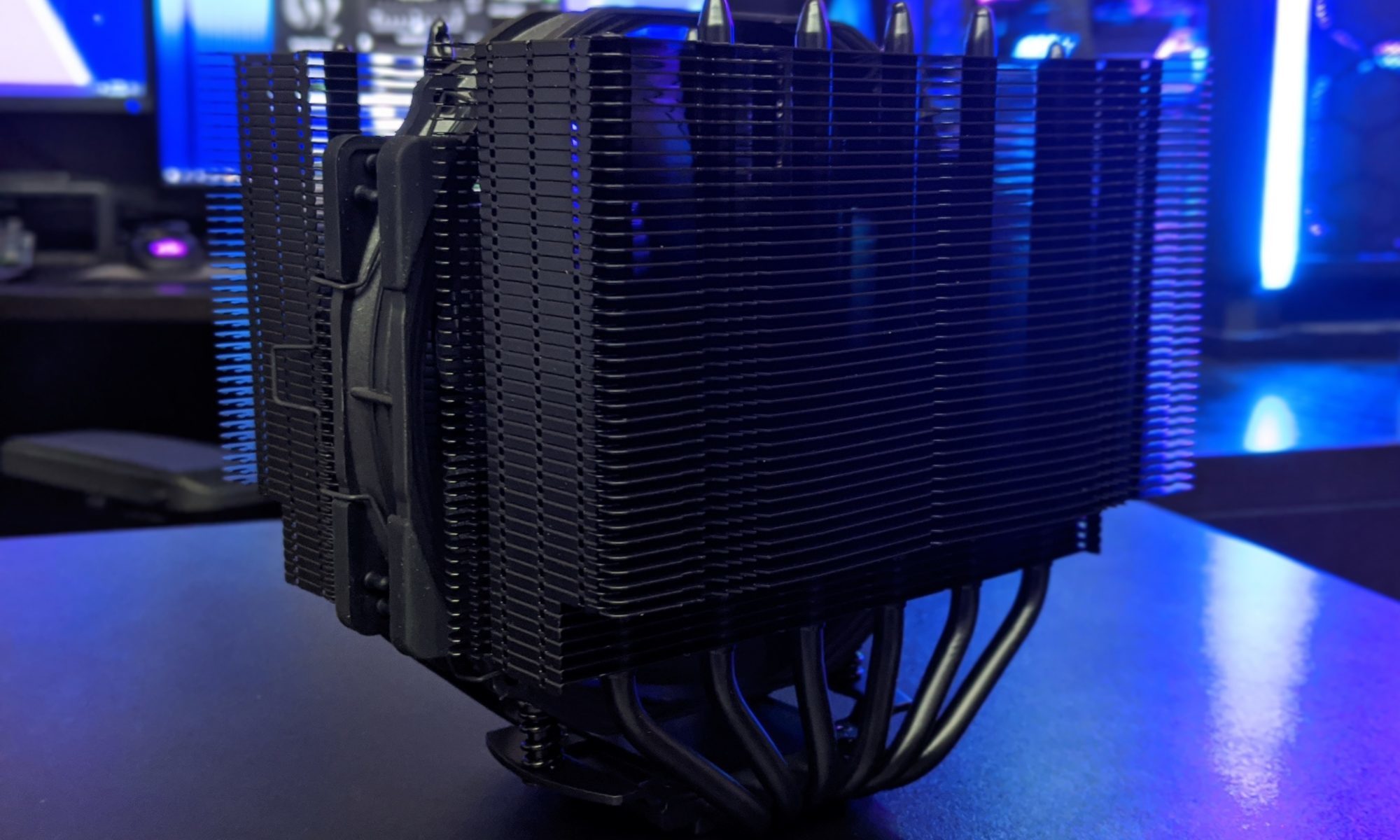
This matters for Australian builders in Adelaide or Perth, where summer temperatures inside a non-air-conditioned home office can push case ambient temps well above 30°C. A 60W delta over several hours of gaming translates to noticeably warmer exhaust air and louder fans, particularly with budget tower coolers. Before committing to either chip, working through detailed CPU cooler comparison charts helps identify a cooler that will keep temps in check without breaking the budget.
Electricity costs add another wrinkle. With Australian household electricity rates hovering around 28-32c per kWh depending on the state, a 30W continuous difference across three or four hours of daily gaming adds up to roughly AUD $12-15 per year in additional power costs for the Intel chip. That alone offsets a chunk of any upfront price advantage for Australian gamers who tend to log longer sessions in the cooler months.
Pricing, value, and Australian availability
Street pricing in Australia puts the Ryzen 5 9600X at around AUD $369 at retailers like Mwave and Centre Com, while the Core Ultra 5 245K sells closer to AUD $429 through Scorptec and Umart. Both sit comfortably below the symbolic AUD $500 mark that Australian buyers treat as the budget ceiling for a CPU.
The AMD board ecosystem is also more affordable. Entry-level B650 boards from MSI, Gigabyte, and Asus start around AUD $219, while a comparable Intel B860 or Z890 board begins at AUD $269. Combined with the chip price, a 9600X platform can be assembled for roughly AUD $80-100 less than the equivalent 245K system before memory is considered.
Common Australian stockists worth checking:
- Mwave (Sydney-based with next-day metro shipping)
- Centre Com (Brisbane warehouse, frequent sale pricing)
- Scorptec (Melbourne showroom, easy in-store pickup)
- Umart (Brisbane, often price-matches competitors)
For Australian buyers sourcing parts during Boxing Day sales or mid-year EOFY discounts, AMD typically offers deeper bundle deals through local distributors, often pairing the 9600X with a free game title. Intel's bundle program has been less consistent locally, and the current AUD $60 price gap is harder to justify when performance parity is so close at 1440p.
Platform longevity and upgrade path
The AM5 socket AMD introduced with the 7000 series remains the company's stated platform through at least 2026, with Zen 6 CPUs expected to drop into the same motherboards. That means a 9600X bought today in Melbourne or Brisbane could be replaced in two or three years with a much faster chip using the same DDR5 memory and board. For budget-conscious builders, this upgrade promise is a real selling point.
Intel's LGA 1851 platform is brand new, and the company has been less explicit about how long it will support the socket. The previous LGA 1700 ran across three generations, which is a positive sign, but Arrow Lake has underdelivered in many reviews, raising doubts about Intel's commitment to a long roadmap. Buyers who like to upgrade in stages may find AMD's path more predictable for the next several product cycles.
Both platforms support PCIe 5.0 for the GPU slot on higher-end boards, though only a handful of AMD B650 boards include it. PCIe 5.0 SSDs are still rare in the Australian retail channel, so this is mostly a future-proofing checkbox rather than a current-day requirement. The 9600X and 245K both top out at 28-32 PCIe lanes depending on the board chipset.
Verdict and recommended pairings
For most Australian builders targeting 1440p gaming on a budget, the Ryzen 5 9600X is the smarter pick. It matches or beats the Core Ultra 5 245K in nearly every game tested, draws meaningfully less power, runs cooler, costs less at the counter, and sits on a more proven upgrade platform. The only real reason to choose the Intel chip is for regular multithreaded productivity work alongside games, where the extra E-cores add genuine value.
A solid 1440p gaming build around the 9600X pairs the chip with an MSI MAG B650 Tomahawk WiFi, 32GB of DDR5-6000 CL30, an RX 7800 XT or RTX 4070 Super, and a 650W 80+ Gold PSU. The total lands between AUD $1,400 and $1,700 depending on case and storage choices, right in the comfort zone for an Australian mid-range build.
The Core Ultra 5 245K still makes sense for streamers and content creators who want one chip that handles gaming, OBS encoding, and occasional video work without compromise. For those buyers, a 240mm or 280mm AIO is almost mandatory, and the budget should shift towards a Z890 board to keep the CPU fed. For broader reading on value-focused upgrades and the wider local hardware scene, the Australian guides archive covers everything from PSU sizing to case airflow tuning.