Small Tower Cases With Good CPU Cooler Clearance: 2025 Edition
A compact PC case does not have to mean settling for a low-profile heatsink or accepting high fan speeds. In 2025, several small ATX and micro-ATX towers provide enough room for serious air coolers, front-to-back airflow, and long gaming sessions without occupying half a desk. The challenge is separating genuinely practical designs from cases that quote generous component support while leaving little space for comfortable installation.
For Australian builders, the decision also involves room temperature, dust, stock levels, and local pricing. A case that runs quietly in a cool European office may behave differently during a Brisbane summer, while a seemingly affordable model can become poor value after delivery. CPU cooler height, graphics card clearance, fan positions, and motherboard format all need to be considered together.
Why CPU Cooler Clearance Matters In A Compact Tower
Manufacturers usually state maximum CPU cooler height in millimetres, measured from the motherboard surface to the inside of the side panel. That figure is useful, but it is not the whole story. A 165mm limit may accommodate a popular dual-tower cooler with only a few millimetres to spare, leaving little tolerance for a raised side panel, thick motherboard heatsinks, or slightly inaccurate measurements.
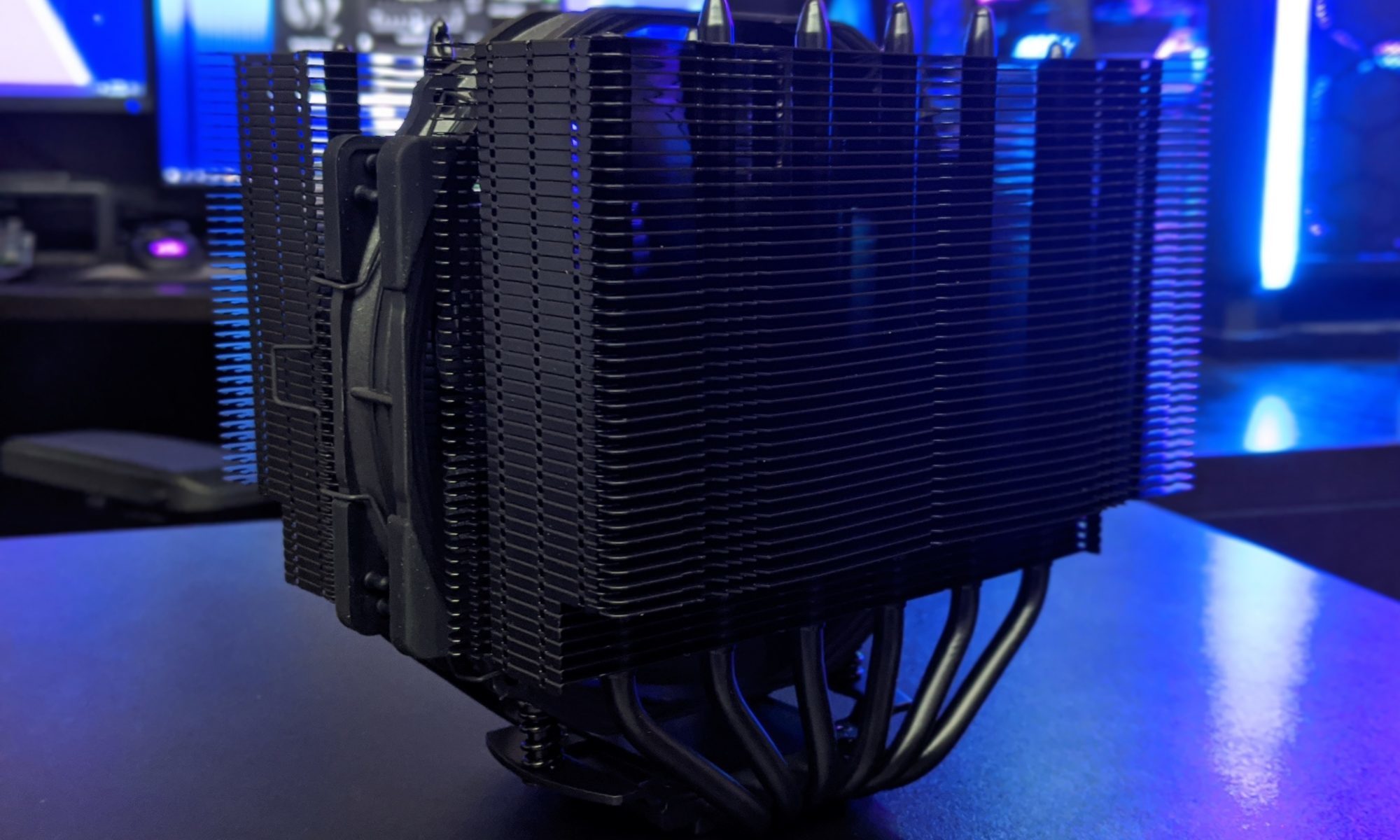
A practical target for a compact gaming build is around 160mm to 170mm of clearance. That covers coolers such as the Thermalright Peerless Assassin 120-class designs, DeepCool AK620-style towers where available, and many single-tower options. Models around 155mm can still deliver strong results, particularly with an efficient Ryzen 5 or Core 5 processor, but the choice of cooler becomes narrower.
The case width matters just as much as the published specification. Narrow towers often place the side panel close to the cooler, while wider models leave room for taller fin stacks and quieter 140mm fans. Check whether the measurement includes the motherboard tray, rear panel bulges, or a glass side panel before ordering. A few millimetres of real clearance can make assembly considerably easier.
Compact Cases That Handle Full-Size Air Coolers
The Fractal Design Pop Mini Air remains a strong micro-ATX option for builders who want conventional tower airflow in a modest footprint. Its CPU cooler allowance is generous for the class, and the mesh front supports a sensible intake arrangement. The layout is straightforward, making it easier to install a large air cooler without wrestling with a crowded power supply shroud.
The Cooler Master NR400 is another practical choice when pricing is a priority. It has a less showy interior than newer dual-chamber cases, yet its cooler support and front ventilation suit a mainstream gaming system. It is especially appealing for a Ryzen 7 or Core i7 build that needs a substantial air cooler without moving to a large ATX chassis. Availability can vary by Australian retailer, so compare stock at PCCaseGear, Scorptec, Umart, and Centre Com before committing.
For ATX boards, the NZXT H5 Flow and Fractal Meshify 2 Compact offer a useful balance between footprint and hardware support. Both are larger than true micro-ATX towers, but they make room for tall CPU coolers, full-length graphics cards, and better cable routing. The H5 Flow’s angled lower intake is distinctive, while the Meshify 2 Compact provides a more flexible interior and a mature airflow layout.
A compact chassis can also work with a premium cooler, though fan placement deserves attention. Front fans should supply cool air directly through the heatsink, while the rear exhaust removes warmed air from the socket area. Adding several fans without considering pressure, filter restriction, or noise often produces a louder system rather than a cooler one. For portable storage around a small workstation, an external NVMe enclosure guide can help keep bulky drives outside the case.
Airflow, Noise, And Australian Room Temperatures
Compact towers have less internal air volume, so poor airflow becomes noticeable quickly. A mesh front panel is generally preferable for a high-wattage CPU, particularly when the system will run rendering workloads or extended gaming sessions. Solid-front cases can still perform well with carefully placed fans, but they usually need higher fan speeds to maintain the same temperatures.
Australian conditions make this especially relevant. A PC in a Sydney study may experience warm, dusty afternoons, while a Brisbane or Darwin room can remain hot and humid for long periods. Melbourne’s cooler winter temperatures can hide an airflow weakness that becomes obvious during summer. Dust filters help, but they also restrict intake when clogged, so a quick clean every few months is worthwhile.
For a quiet build, prioritise a cooler with a large fin area and a controllable 120mm or 140mm fan. Set a gradual motherboard fan curve rather than allowing sudden speed changes whenever the CPU briefly boosts. Modern Ryzen and Intel processors can spike quickly, so a short temperature burst is not necessarily a problem. Sustained package temperature, acoustic level, and clock stability are better indicators of case performance.
Power supply placement affects thermals as well. A bottom-mounted PSU with its own filtered intake avoids drawing warm case air, though the case needs sufficient clearance beneath it. Avoid placing a compact tower directly on thick carpet, where the bottom filter can become starved of air. A firm shelf or desk surface is usually better, especially in homes where pet hair and dust are common.
Clearance Checks Before You Buy
The most reliable buying process is to compare every major component against the case specifications rather than relying on a product photo. Cooler height must be checked against the side panel, graphics card length against the front fan or radiator position, and PSU depth against the cable space behind the motherboard tray. A case may support a 360mm graphics card in theory, but front-mounted hardware can reduce that figure.
Motherboard format also changes the usable space. A micro-ATX board leaves more room around the socket in some cases, while a compact ATX design may place the CPU cooler close to the top fan frame. Tall memory modules can interfere with the front fan on a dual-tower heatsink, requiring the fan to be raised. That adjustment can exceed the advertised cooler height, particularly with RGB DIMMs fitted.
Measurements worth checking
- CPU cooler height with the front fan installed
- GPU length and thickness with front fans fitted
- PSU length, cable bend room, and bottom filter access
- Radiator thickness plus fan depth if using liquid cooling
Build details that are easy to miss
- Memory height beneath an overhanging cooler fan
- Top clearance for motherboard heatsinks and exhaust fans
- Front-panel USB placement on a narrow desk
- Removable dust filters for routine cleaning
Some specialist comparison pages list dimensions inconsistently, so cross-check manufacturer manuals and retailer photographs. A useful fitment reference can provide another data point, but the case manufacturer’s current specification should remain the final authority. This is particularly important when a model has received a silent revision with a different front panel, fan bracket, or internal frame.
Choosing Value For A 2025 Australian Build
Price matters because compact cases often require more careful component selection. A cheaper chassis with only one included fan may need another two fans before it can cool a modern CPU quietly. Once those costs are added, a slightly more expensive case with a mesh front and three pre-installed fans can offer better value. Australian prices also fluctuate with exchange rates, clearance sales, and shipping to regional areas.
The annual EOFY sales period can be a good time to find discontinued colours or older cases at useful prices, while Click Frenzy promotions sometimes make newer models competitive. Stock may be stronger in Sydney and Melbourne than in smaller cities, and delivery charges can change the calculation for buyers in Perth, Hobart, or remote Queensland. Always check whether the listing is local stock or a long lead-time import.
For a gaming PC, prioritise enough cooler clearance for the processor you actually plan to use rather than buying the largest possible case. A Ryzen 5 7600 or Core i5-class chip can be handled comfortably by many 155mm-to-165mm coolers, while high-power Ryzen 9 and Core i9 processors benefit from a larger heatsink, stronger case airflow, or a 280mm liquid cooler. The best small tower is the one that matches its thermal load without forcing every fan to run at maximum speed.
Community build logs can reveal practical issues that specifications omit, including difficult cable routes, front-panel conflicts, and fan noise. Hardware Hounds’ enthusiast forums are useful for comparing real-world configurations and checking how a case behaves with particular coolers, GPUs, and motherboard layouts. A well-chosen compact chassis should leave enough margin for maintenance, upgrades, and the warmer conditions that Australian rooms can bring.