Slim GPU cooling picks for compact two-slot builds
Small form factor PCs have carved out a serious following among Australian builders, from studio apartments in Sydney to laneway offices in Melbourne. The appeal is straightforward: a compact machine that still packs enough horsepower for modern games, creative workloads, and media servers. Yet the moment you commit to a slim case, the graphics card becomes the hardest component to accommodate. A two-slot limit on the PCIe bracket area forces careful trade-offs between performance, thermals, and acoustics.
Low-profile GPU coolers designed for 2-slot cases occupy a peculiar corner of the market. They are not the headline-grabbing triple-fan behemoths you see on-shelf at PCCaseGear or Scorptec, but they enable builds that simply would not happen otherwise. This piece walks through what separates the better options from the merely adequate, looks at the different cooler philosophies on offer, and highlights manufacturers that consistently deliver in this constrained category.
Australia's climate adds another wrinkle. Hot summers in Brisbane and Adelaide push case thermals higher than the European and North American labs where many GPUs are validated. A cooler that manages its target temperature in a temperate climate can throttle badly when the room hits thirty-five degrees. That reality makes cooler selection a practical concern rather than an aesthetic one, and it is worth understanding what each design style brings to the table.
Why two-slot GPU cooling matters more than ever
The small form factor movement has shifted from a niche hobby to a mainstream category. Cases like the Cooler Master NR200, NZXT H1, and the various Ssupd and FormD enclosures have shown that a compact build does not have to mean compromised performance. For many Australians, particularly those in inner-city apartments where desk space is at a premium, these cases represent the only realistic path to a powerful yet unobtrusive machine. With the rise of low-latency multiplayer experiences and edge-rendered game streaming, a compact rig can genuinely serve as a primary gaming system rather than a compromise build.
Two-slot constraints matter because the PCIe bracket area on these cases often caps the cooler at roughly 20 to 25 millimetres of total width once you account for the mounting bracket. A triple-slot cooler simply will not fit, and even some 2.2-slot designs brush against the limit. The result is a tight market where every millimetre of heatsink surface, every fan blade curve, and every fin stack density is under scrutiny.
Australian retailers reflect this demand in their stock profiles. Mwave and Centre Com list an unusually high proportion of compact and ITX-oriented GPUs relative to store size, and the category continues to grow. Even shoppers in Perth and Hobart, where large tower builds remain common, are increasingly exploring SFF as a second system for living room use.
Blower-style coolers and their practical edge
Blower-style coolers remain the default choice for genuinely tight cases. A centrifugal fan pulls air across the heatsink and exhausts it through the I/O bracket, meaning the GPU dumps its heat directly out of the case rather than recirculating it around the other components. In a two-slot case with limited internal airflow, that characteristic is more than a convenience; it is often the difference between stable boost clocks and thermal throttling.
The trade-off is well documented. Blower coolers tend to run louder at equivalent thermal loads because the fan has to overcome the resistance of pushing air through a dense fin stack and out a narrow opening. They also tend to run a few degrees warmer on the GPU die compared to open-air designs. For builders who prioritise case compatibility over absolute silence, however, the trade-off is usually worthwhile.
Reference designs from AMD and NVIDIA, along with blower implementations from Sapphire, PowerColor, and XFX, anchor this category. For SFF builds that sit on a shelf, under a TV, or in a closed entertainment unit, a competent blower can keep thermals in check without warming the rest of the system. Builders in warmer Australian climates often find this exhaust behaviour particularly helpful during summer heatwaves.
Open-air coolers that still respect the two-slot limit
Open-air coolers, with two or three axial fans pushing air through an exposed fin stack, dominate the broader GPU market. Within the 2-slot limit, several manufacturers have managed to fit surprisingly capable implementations. ASUS Dual, MSI Ventus, Gigabyte Windforce, and Zotac Twin Edge lines all include variants that stay within the bracket while still delivering solid thermal headroom.
These coolers rely on the case providing adequate airflow. In a well-ventilated SFF case like the NR200 or a Meshlicious, they often run cooler and quieter than an equivalent blower. The heatsink is larger, the fans can spin at lower RPM, and the acoustic profile is generally more pleasant under load. The catch is that heat stays inside the case, which can elevate CPU and VRM temperatures in a tight enclosure.
For Australian builders in air-conditioned homes or cooler climates like Tasmania, the open-air approach often makes sense. For those running their PC in a sun-warmed home office in Darwin or a garage workshop in regional Queensland, the calculus shifts. A good case with mesh panels and strong case fans helps close the gap, but the open-air design is fundamentally a partnership with the surrounding airflow.
Characteristics that make open-air designs appealing in ventilated enclosures:
- Larger heatsink surface area, which typically translates to lower sustained GPU temperatures.
- Quieter fan profiles at equivalent thermal loads, since axial fans move more air per RPM.
- Better boost clock sustainment during extended gaming sessions.
- More consistent acoustic behaviour, with less of the high-pitched whine common to blowers.
Manufacturers worth watching in the low-profile segment
ASUS, MSI, and Gigabyte dominate shelf space at Australian retailers, but the low-profile segment rewards looking beyond the biggest names. Sapphire consistently produces some of the most refined blower-style cards on the market, particularly for AMD-based silicon, and the company's Trixx software provides granular fan control that helps manage noise.
Zotac has carved out a niche with compact Twin Edge and AMP models that hit the 2-slot mark while keeping length manageable. PowerColor's Hellhound and Fighter lines occasionally include thin variants worth considering, and Inno3D's iChill and X3 series have made inroads at retailers like Umart. Each manufacturer makes different compromises, and the right pick depends on the specific case, the silicon generation, and the noise tolerance of the builder.
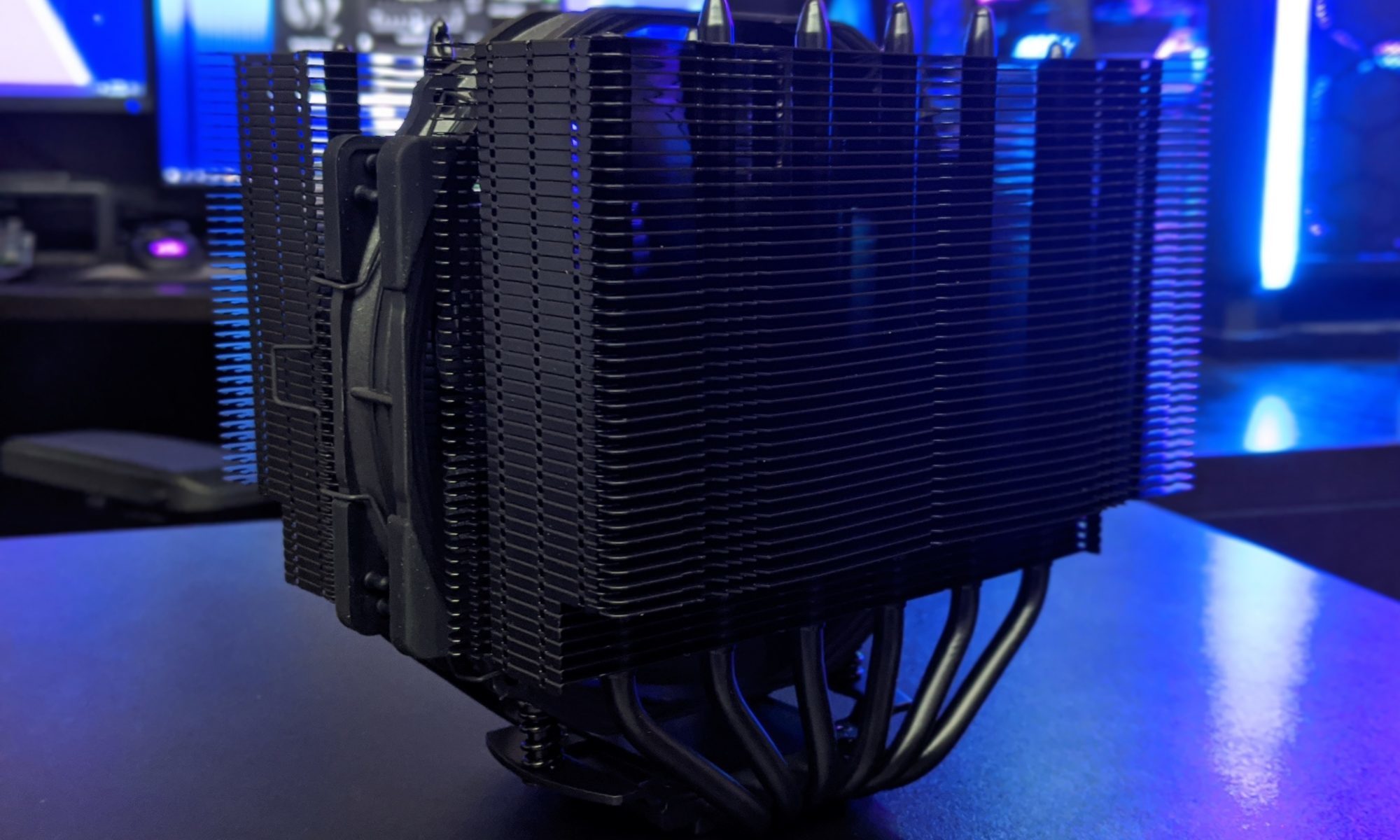
For builders comparing a wider range of cooling options, the CPU cooler comparison charts on Hardware Hounds offer a useful reference point, even though the focus is on CPU rather than GPU cooling. The methodology, thermal testing approach, and noise normalisation carry over well, and the site has discussed adding GPU data in future updates.
Matching cooler type to your case and use case
Selecting a low-profile GPU cooler is ultimately about matching the design to the build environment. Cases with mesh panels and multiple case fans lean naturally toward open-air coolers. Tight, partially enclosed cases benefit more from blower designs. HTPC builds that sit inside a media console with restricted rear ventilation should default to a blower, while a tower-style ITX case on a desk can comfortably host an open-air design.
Use case matters as well. A workstation focused on rendering and simulation runs hot for long stretches, which pushes thermals to the limit of any compact cooler. A gaming build with variable load can rely more on boost behaviour and may tolerate slightly higher sustained temperatures in exchange for quieter acoustics. Streaming setups and competitive online play introduce their own demands, since consistent frame pacing can matter as much as raw averages.
For Australian builders weighing their options against local stock, a few practical points help narrow the field:
- Confirm the exact length and slot thickness before ordering, as manufacturer specs can vary by a few millimetres between revisions.
- Check that the case's PSU shroud or drive cage does not intrude on the GPU mounting area.
- Factor in Australian summer temperatures, which routinely push ambient case temps into the low thirties.
- Consider noise carefully, since compact coolers running at high RPM quickly become intrusive in a quiet apartment.
If specific questions arise during the selection process, builders can always contact the Hardware Hounds team for guidance tailored to their particular case, budget, and performance goals.