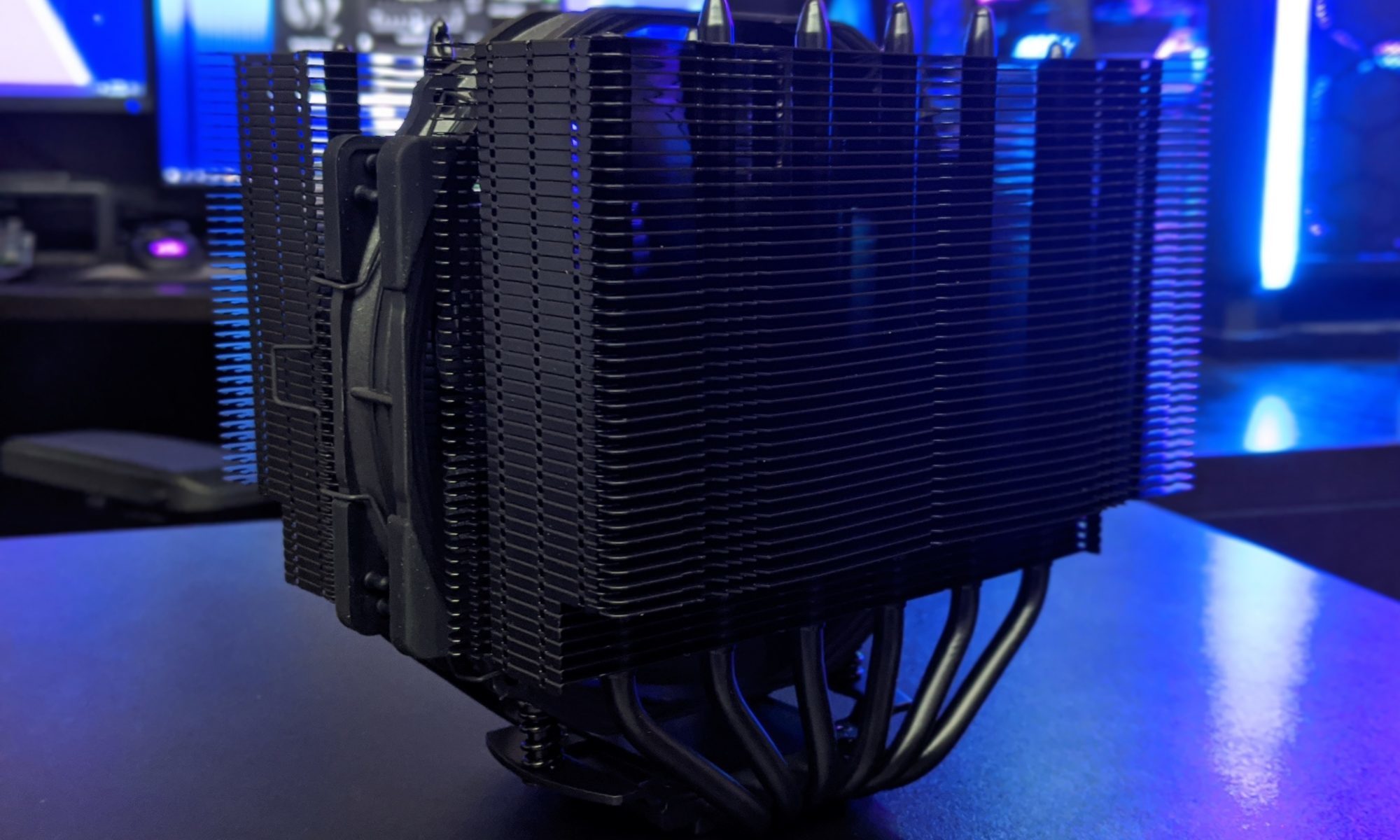
The Best Sound-Dampening Fans: Silencio And Silent Wings Tested
A quiet computer is easier to appreciate than a fast one. Fan noise follows you through work, gaming and streaming sessions, especially when the PC sits beside a desk in a small bedroom or home office. We compared Cooler Master Silencio fans with be quiet! Silent Wings models to see which handles airflow, motor noise and vibration most effectively.
The test focuses on 120 mm PWM fans, the size used in many mid-tower cases and CPU coolers. Both ranges use rubber isolation, shaped fan blades and fluid-dynamic-style bearings to reduce the sounds that usually turn a calm system into a constant whirr. The important difference is how those features behave once the fans encounter a restrictive dust filter, radiator or mesh panel.
Australian builders also face conditions that can expose weak designs quickly. A Brisbane gaming room may sit above 30 degrees Celsius in summer, while a Melbourne office can need a fan that starts quietly at low speed during winter. Sydney apartments bring another concern: a PC running beside a living area or shared wall cannot rely on “it is quiet enough” as a measurement.
Our results favour one range for absolute silence, but the cheaper option remains highly competitive. The right choice depends on whether you prioritise a low idle noise floor, strong static pressure, simple installation or the best price at local retailers.
Test Bench And Method
We installed one Silencio FP120 PWM and one Silent Wings 4 120mm PWM in the same ATX case, using identical mounting positions and fan curves. The case had a mesh front, two intake fans and one rear exhaust. We recorded sound at 50 cm with the system at idle, then repeated the test at fixed speeds of 800, 1,200 and maximum RPM. Ambient noise remained close to 19 dBA.
At 800 RPM, both fans were unobtrusive, with the Silent Wings producing the lower measured reading. The difference was small enough to disappear under a typical graphics card at load. At 1,200 RPM, however, the Silent Wings retained a smoother tonal character, while the Silencio developed a more noticeable broadband rush through the front mesh.
The measurements were treated as a guide rather than laboratory truth. Room acoustics, microphone position and case panels can change results by several decibels. Listening impressions still matter, because a narrow motor hum can be more irritating than a slightly louder but softer airflow sound.
Low-Speed Noise And Tonal Character
The Silencio is impressive at low PWM settings. Its motor starts reliably, avoids clicking during speed changes and remains almost invisible in a quiet office when limited to roughly 700–800 RPM. The rubber corner pads also prevent the small buzz that can occur when a fan frame touches a thin steel panel.
Silent Wings 4 has the more refined sound signature. Its motor noise is subdued, and the blade passage does not produce a pronounced pulse as the RPM rises. At 1,000–1,200 RPM, it sounds like a smooth increase in air movement rather than a fan suddenly becoming present in the room.
This distinction becomes clear late at night. In a suburban Australian home, where background noise can fall sharply after traffic dies down, the Silent Wings is less likely to draw attention. The Silencio remains quiet enough for most builds, but its acoustic character is slightly less polished at medium speed.
Noise Features Worth Paying For
- Rubber mounts that isolate the frame from the case
- A stable PWM range without start-stop clicking
- Smooth bearing operation at low RPM
- Blades designed to reduce tonal airflow noise
Airflow, Pressure And Cooling Results
Silent operation has little value if a fan cannot move air through the system. With an open intake, the two models delivered similar case airflow at matching speeds. The Silencio was close behind in unrestricted cooling and offered a useful balance for a conventional front-mesh chassis.
The gap widened against resistance. Behind a fine dust filter or a 240 mm radiator, Silent Wings 4 maintained airflow more effectively at the same RPM. CPU temperatures in our closed-loop cooler test were around 1–2°C lower under sustained load, while graphics card temperatures varied less because GPU cooler design had a larger influence.
That result supports a familiar rule: a case fan and a radiator fan do not face the same workload. For general intake and exhaust, either model works well. For a dense front filter, compact case or liquid-cooling radiator, the stronger pressure profile of Silent Wings 4 is easier to justify. Our guide to 140mm fan sizing also explains why a larger frame is not automatically the better cooling solution.
Fan placement matters as much as the specification sheet. A front intake blocked by a drive cage, dust filter and narrow panel opening may need additional pressure, whereas a rear exhaust with an open grille can prioritise low noise and smooth bearings.
Installation And Long-Term Build Quality
Both fans use standard 120 mm mounting holes and include rubber isolation at the corners. Silencio hardware is straightforward, although its screws can require a little more pressure when used in thick radiator mounting points. The frame feels solid enough for regular installation, but it does not have the same premium finish as the Silent Wings range.
Silent Wings 4 includes interchangeable corner fittings for different mounting situations. That flexibility is useful when moving between a conventional case, radiator or alternative mounting bracket. The fan frame also feels particularly rigid, which limits vibration when the fan is running at higher speed.
Cable length and connector layout are practical rather than exciting. Both use four-pin PWM control, allowing motherboard headers or a fan hub to manage speed. Builders should check whether their motherboard headers can supply the combined current of several fans, particularly when using splitters in a compact case.
Dust is a practical concern in Australia. Homes in Adelaide and Perth can see fine dust enter through floor-level intake vents, while summer pollen and pet hair can quickly load a front filter. Regular cleaning lets either fan retain its low-noise advantage; a clogged filter will force the control curve to increase RPM.
Price And Availability In Australia
Silencio models are usually the value pick. Australian retailers and system integrators commonly stock Cooler Master fans, and discounts can make a three-pack considerably cheaper than buying premium fans individually. That makes Silencio attractive for a new build requiring four or five matching case fans.
Silent Wings 4 costs more, with the premium easiest to defend when the PC sits near a bed, recording microphone or shared work area. It is also a sensible upgrade for a high-end workstation where the fans will run for many hours each day. The higher price buys quieter behaviour under load rather than a dramatic improvement in idle airflow.
Local pricing changes with exchange rates, sales cycles and stock. Australian buyers should compare the delivered price, since a low listing from an overseas marketplace can lose its advantage after shipping and GST. The Australian Consumer Law still provides consumer guarantees when purchasing from an Australian business, including that products be of acceptable quality and fit for their stated purpose.
For warranty or sample questions, readers can contact the Hardware Hounds team. It is also worth checking the electrical compliance details of complete powered products and accessories: the Regulatory Compliance Mark is a familiar requirement across Australia and New Zealand, although a simple low-voltage PC fan is different from a mains-powered appliance.
Practical Buying Checks
- Match the fan size to the case, radiator and mounting holes
- Choose PWM models for automatic motherboard control
- Budget for filters and cleaning in dusty rooms
- Compare local warranty terms with the final delivered price
Which Fan Suits Your Build
Choose Silencio when the system has an open mesh case, a moderate CPU cooler and a strict budget. It delivers a genuinely quiet idle profile and avoids the harsh motor sound found on many inexpensive stock fans. A sensible curve that keeps it below 1,000 RPM through normal desktop use will make it difficult to distinguish from more expensive alternatives.
Choose Silent Wings 4 when acoustic refinement matters as much as temperature. It is the better option for a radiator, restrictive dust filter or workstation placed in a quiet room. The fan’s smoother tone also makes higher speed less objectionable when a long render or gaming session raises internal temperatures.
Neither range can compensate for a poor case layout. A sealed front panel, undersized exhaust opening or excessive positive pressure will restrict cooling regardless of the fan badge. Start with one or two controlled intakes and a rear exhaust, then use motherboard temperature sensors to build a gradual PWM curve rather than running every fan at full speed.
Best Match By Use
- Quiet office PC: Silencio at a conservative low-speed curve
- Gaming case with filters: Silent Wings 4 for stronger pressure
- Radiator cooling: Silent Wings 4, particularly at sustained load
- Budget multi-fan build: Silencio for consistent value
The final choice is close for ordinary case airflow. Silencio wins on affordability and delivers the quiet behaviour most builders want, while Silent Wings 4 earns its premium through lower tonal noise, better performance against resistance and more polished installation details. For a carefully tuned Australian PC, either can work well; the premium model simply gives more room to cool aggressively without making the system sound busy.