GA1700 vs LGA1851: a practical guide to backplate compatibility
Intel's shift from LGA1700 to LGA1851 has introduced a new socket for Arrow Lake processors, and Australian PC builders eyeing an upgrade to Core Ultra 200S chips need to understand how this change affects their cooling setup. While the new socket looks similar to its predecessor at a glance, several mechanical and thermal differences make cooler compatibility a genuine concern for anyone reusing an existing heatsink.
This article walks through the practical backplate compatibility differences between the two platforms, including mounting hole patterns, ILM pressure adjustments, manufacturer support, and what to check before purchasing. We'll also touch on how Australian retailers stock mounting kits and what the local summer heat does to cooler performance in practice.
The LGA1700 to LGA1851 transition
LGA1700 served as Intel's desktop socket from late 2021 through the 14th generation Core processors, covering Alder Lake, Raptor Lake, and the Raptor Lake Refresh family. LGA1851 arrived in October 2024 alongside the Core Ultra 200S series, codenamed Arrow Lake, and represents a platform reorganisation rather than a simple speed bump. The new socket drops DDR4 support, leans entirely on DDR5, and reroutes power delivery in ways that affect thermals at the CPU package level.
For builders in Brisbane, Sydney, or Melbourne who already own LGA1700 motherboards, the transition matters mainly because the mounting ecosystem around the CPU has changed. Arrow Lake processors use a thinner integrated heat spreader and a lower contact profile with the socket, which means cooler mounting hardware must reach a slightly different height to maintain proper pressure on the IHS. This is where the backplate compatibility conversation really begins.
Both sockets use the same LGA contact pad format underneath, but the retention mechanism surrounding the CPU is mechanically different enough that older mounting hardware designed purely for LGA1200 or LGA1700 may not provide correct contact with an Arrow Lake chip.
Mounting hole patterns and physical layout
The mounting hole pattern around LGA1700 sits at 75mm x 75mm between the standoffs, a measurement that has carried forward in various forms across several Intel generations. LGA1851 keeps the same 75mm x 75mm hole pattern in most coolers on the market, which sounds like good news, but the surrounding plastic shrouds and standoff heights have shifted slightly to accommodate the new socket body.
A cooler that physically screws into LGA1700 standoffs will generally still screw into LGA1851 standoffs, but the depth at which it sits above the CPU changes. Because the Arrow Lake IHS sits closer to the motherboard surface than a Raptor Lake IHS did, a heatsink designed with LGA1700 dimensions in mind may end up sitting fractionally too high, leaving a small thermal gap.
This is the core reason manufacturers like Noctua, be quiet!, DeepCool, and Thermalright began shipping revised LGA1851 mounting kits from late 2024. The screws may look identical, but the included standoffs and backplate offsets are tuned for the new stack height. Builders in Adelaide or Perth should check the included hardware list carefully, as older retail stock sometimes still ships with LGA1700-only kits.
Stack height and ILM pressure differences
The Independent Loading Mechanism on LGA1700 applies a specific contact pressure designed for the 12th to 14th gen IHS thickness. Arrow Lake uses a slimmer IHS design, and Intel altered the ILM geometry on LGA1851 so the lever still produces adequate pressure against the thinner spreader. Some early reports flagged uneven contact on certain LGA1851 boards until BIOS updates stabilised the ILM behaviour.
For cooler manufacturers, this meant recalibrating the height at which the cold plate meets the IHS. A backplate that pushes the heatsink down by exactly the right amount on LGA1700 may overshoot or undershoot on LGA1851. Thermalright's Peerless Assassin series and Noctua's NH-D15 both received revised LGA1851 mounting hardware as a result, with longer or shorter standoffs depending on the design.
Australian enthusiasts running hot ambient temperatures during the December to February summer window can ill afford a thermal gap of even half a millimetre. Room temperatures in suburban Melbourne garages or Perth back rooms regularly exceed 30°C in peak summer, and any loss of contact pressure compounds into noticeable temperature deltas under sustained load.
Manufacturer support and mounting kit availability
Most major cooler brands now offer free or low-cost LGA1851 mounting kits to customers who already own a compatible cooler. Noctua's compatibility programme is the most generous, providing upgrade kits at no charge when an existing cooler is registered on their website. be quiet!, DeepCool, and ARCTIC follow similar policies, though the process and turnaround times differ.
In Australia, Umart, PCCaseGear, and Centre Com typically stock current mounting kits alongside coolers, but older online listings can still show LGA1700-only compatibility. Before ordering through Mwave or Scorptec, it pays to read the fine print on the listing, as some bundles include a LGA1851 kit while others require a separate purchase or a request to the manufacturer.
Liquid cooling all-in-ones face a similar compatibility hurdle. Most 240mm and 360mm AIOs that supported LGA1700 will work with LGA1851 once the correct bracket is fitted, but the cold plate reach still needs to match the Arrow Lake IHS profile. Older Asetek-based AIOs without revised brackets may show elevated temperatures, particularly when paired with high-core-count Arrow Lake chips.
Air coolers and AIO considerations
Single-tower air coolers tend to be the easiest category to migrate between sockets, because the heatsink mass and pressure application are simpler than dual-tower designs. A compact Noctua NH-U12S or DeepCool AK400 can usually be reassembled with the new bracket in under fifteen minutes, and the cold plate typically sits well within the IHS contact area on both LGA1700 and LGA1851 chips.
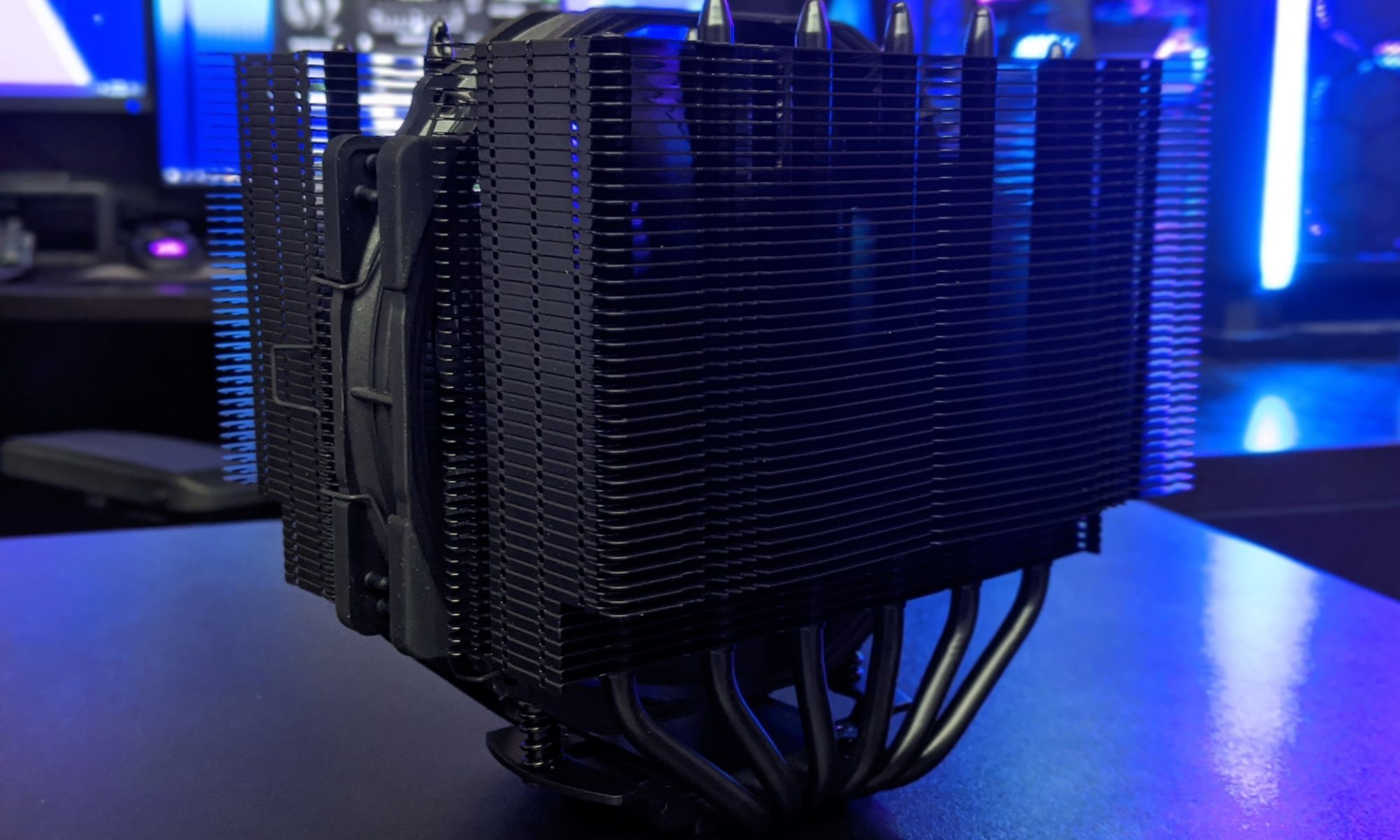
Dual-tower heatsinks like the NH-D15, Dark Rock Pro 5, or Peerless Assassin 120 SE require more care. The wider cold plate contact area can highlight any minor height mismatch, and these coolers are also more sensitive to RAM clearance, which may be a concern on Arrow Lake motherboards that use taller DDR5 modules. Australian builders running G.Skill Trident Z5 or Corsair Dominator kits should measure carefully before committing to a particular tower cooler.
AIO users in high-heat Australian climates should also consider radiator placement. A 360mm radiator mounted as a top exhaust in a standard mid-tower case will see different ambient temperatures depending on the city and the season, and Sydney's coastal humidity can affect condenser efficiency during long summer rendering sessions. For thorough thermal analysis on the new platform, the Hardware Hounds review section compiles cooler performance data across multiple Arrow Lake test rigs.
Buying and verifying in the Australian market
Before pulling the trigger on a new build, Australian shoppers should verify that the cooler they're buying lists LGA1851 in the compatibility section, not just LGA1700. Even when a heatsink is mechanically compatible, retailers like PCCaseGear and Umart sometimes carry older batches that predate the LGA1851 transition, and the included hardware may need replacing.
It is also worth checking the motherboard's boxed accessory list. Some Z890 boards ship with a separate LGA1851 backplate that differs subtly from the stock Intel frame, particularly when using an offset mounting configuration. Builders upgrading from a 13th gen Core i7 to a Core Ultra 7 265K should plan for the possibility of needing both a new cooler kit and a fresh tube of thermal paste, as the old paste will need to be cleaned off the Arrow Lake IHS.
Building a complete LGA1851 system around a suitable cooler ensures the rest of the platform, including VRM thermals, can run within safe limits under Australian ambient conditions, and reading up on motherboard VRM thermal design provides useful context for the rest of the build.
Practical recommendations for upgrading builders
For Australian builders weighing an LGA1700 to LGA1851 upgrade, a handful of practical steps can save time and money, particularly when reusing an existing cooler.
- Confirm LGA1851 is explicitly listed in the cooler's compatibility chart, not implied by LGA1700 support.
- Request a revised mounting kit from the manufacturer if the boxed cooler predates October 2024 and lacks LGA1851 hardware.
- Measure available RAM clearance before installing dual-tower air coolers on tall DDR5 modules.
- Clean and replace thermal paste when migrating an existing cooler onto a new Arrow Lake CPU.
- Buy from Australian retailers with clear return policies, such as PCCaseGear or Centre Com, in case a bracket turns out to be the wrong revision.
- Plan for higher ambient temperatures during peak Australian summer by choosing a cooler with at least 100W of headroom above the CPU's rated TDP.
- Update the motherboard BIOS before mounting the cooler to ensure the ILM behaves consistently during initial thermal cycling.