Sleeve vs FDB fan bearings: how noise changes after six months
Fan bearing type shapes the mechanical character of a case or CPU fan, especially when blade noise falls and the motor becomes easier to hear. A sleeve bearing runs the shaft on a thin lubricant film inside a plain cylindrical bushing. An FDB, or fluid dynamic bearing, suspends the shaft in pressurised fluid within a tiny gap. Neither design guarantees silence; motor quality, vibration, balance and fan speed all matter. Learn more about Bo Hinh Nen Xe Hoi Sieu Sang Danh Cho Dan Me Toc Do.
A useful comparison over six months tracks more than the first impressions from a review sample. Sleeve fans are often quieter at normal desktop speeds because their motors have less obvious resonance, while a well-made FDB can remain extremely stable during continuous operation. Both can develop a distinctive whine or rattle at particular RPM ranges, so motor design can outweigh the bearing category in the final result. Learn more about Cpu Cooler Clearance Issues Top 10 Cases With Narrow Ram Slots 58c7.
Australian conditions make long-term observations especially valuable. A fan in a Brisbane or Adelaide gaming room can face more heat and humidity than one in a cool Melbourne study, while inland NSW builders regularly encounter fine red dust. Many enthusiasts test during the evening “arvo”, run games and render jobs for hours, and expect a quiet machine in the room rather than merely on a laboratory bench.
What sleeve and FDB bearings do differently
A sleeve bearing has no rolling elements. Its shaft rests against an oil film that separates it from the bushing, provided the lubricant remains distributed correctly. During startup, that film may need a moment to establish, producing a brief chirp, scrape or gentle rattle. Once settled, sleeve bearings can be exceptionally quiet because there are no balls or rollers transmitting discrete vibrations into the fan frame.
An FDB bearing also avoids rolling elements, but it uses controlled fluid pressure to maintain separation between the shaft and housing. The resulting support can be stable and durable, with less sensitivity to ordinary mechanical wear than a sleeve design. Its acoustic signature may include a smooth motor whine or a narrow tonal peak, particularly when the fan settles into a steady speed and the listener is close to the intake or exhaust.
Neither bearing is automatically superior in noise terms. A precision sleeve fan may disappear into the background, while a poorly matched FDB unit can sound like a small turbine. Conversely, a higher-quality FDB can outperform a cheap sleeve motor. The meaningful test is therefore a matched comparison at equal airflow, with both the fan blades and motor characteristics controlled as closely as possible.
A fair six-month noise test
Start with fans of similar size and design, ideally variants from the same manufacturer using different bearings. Test them at matched RPM and, where possible, similar static pressure. Record sound from roughly 30 centimetres and again from one metre, using both A-weighted decibels and a frequency spectrum. Plain dBA figures can hide a narrow bearing tone that is conspicuous to the ear, while room noise and reflections can make two fans seem closer than they are.
Take a baseline immediately, then repeat the test after the first week, at three months and at six months. Keep the microphone position, background conditions and mounting method consistent. A short sample on day one is not enough: lubricant distribution, initial surface contact and motor break-in can alter the sound during the first few days. Repeated measurements make gradual changes easier to distinguish from normal variation.
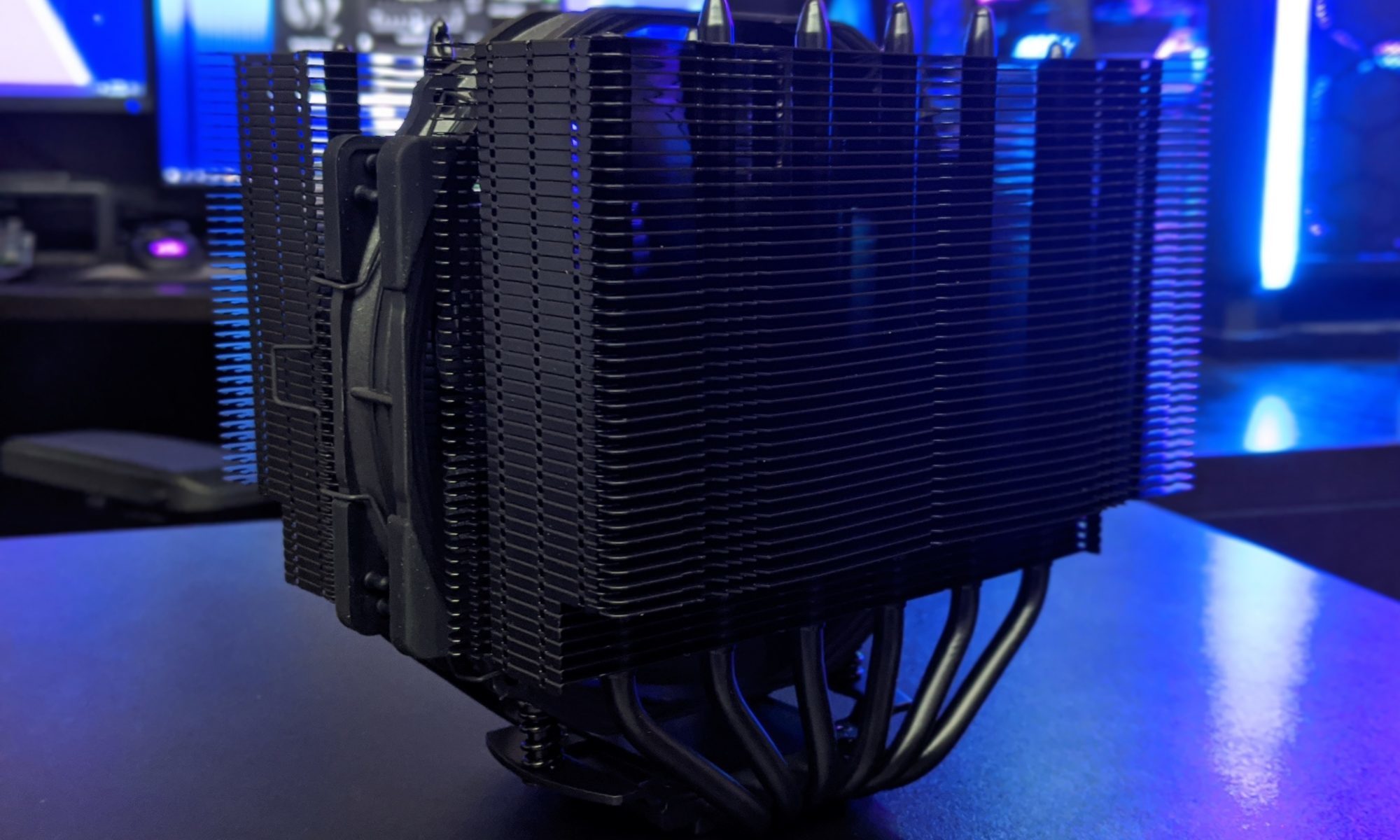
The installation matters as much as the bearing. Check the CPU cooler clearance guide before blaming a noisy fan, because a fan sitting too close to a RAM slot can create whistles, turbulence and vibration that resemble bearing problems. The same grille, cable position and case orientation should be used throughout the comparison, with each fan photographed and its RPM verified under load.
How noise changes as the months pass
Sleeve bearings often settle into their quietest state after initial break-in. Over time, however, contamination and lubricant distribution can make startup more noticeable. Dust trapped in the lubricant may alter the film, while a damaged bushing or imperfect shaft can produce repeated chirping. In a dusty environment, the gradual increase in motor noise can therefore reveal wear before the fan shows any obvious performance loss.
FDB bearings generally retain their operating characteristics during long service periods because the fluid-supported shaft avoids rolling-element wear. That does not make them immune to damage. Contaminants, damaged seals, an uneven mounting surface or operation outside the manufacturer’s intended orientation can disturb fluid pressure and introduce grinding, rumbling or tonal noise. A dramatic change in one fan deserves investigation rather than an assumption that all FDB units will behave that way.
A sensible six-month expectation is that a good sleeve fan remains acoustically stable, with possible changes concentrated around startup. A good FDB should also remain stable while preserving a more defined motor tone. The largest real-world deterioration often comes from dust, loose screws, bearing damage or a fan being forced beyond its intended speed, not from the fluid dynamic design simply wearing out.
Why the same fan sounds different in a build
Distance and frequency matter more than many raw noise ratings. A one-decibel difference may disappear across a room, while a high-frequency tone can remain obvious because the ear is more sensitive to that range. A fan that sounds acceptable on a desk can become intrusive beside a display, under a desk or next to a microphone. Checking both broadband level and tonal character gives a more realistic picture of daily use.
Reducing noise around a source is separate from improving the source itself. An automotive floor mat guide illustrates that broader principle: cabin materials can reduce transmitted noise around occupants, but they do not change how the engine or another mechanical component is made. Likewise, case foam and anti-vibration pads can reduce structure-borne sound, while a rough bearing still needs replacement or better damping at the motor mounts.
CPU coolers add another layer of complexity. Coil whine, pump noise, fan harmonics and case resonance can all be mistaken for bearing trouble. Comparing the cooler with its fan briefly disconnected helps isolate the motor. Likewise, recording the same fan in open air and inside the finished case shows whether the bearing itself has changed or whether airflow, RAM clearance and panel vibration are responsible for the perceived increase.
Practical choices for quieter Australian PC builds
For a quiet desktop or gaming PC, the decision should follow the installation rather than a universal bearing rule. Consider the room, airflow path, operating temperature, orientation and expected service life. The following choices suit common Australian enthusiast builds:
- Choose a sleeve fan for silence-sensitive rooms when it provides adequate airflow, as its softer motor character is often difficult to detect at normal sitting distance from a gaming desk.
- Choose an FDB fan for sustained high-load operation when matched noise samples sound acceptable and the longer support life suits a case that will run continuously or remain assembled for years.
- Compare noise at equivalent airflow rather than maximum RPM, because extra speed raises blade noise and can hide the bearing difference that the purchase is intended to address.
- Check local warranty and replacement availability, favouring a fan that can be exchanged without destroying an otherwise good cooler or case fan arrangement.
Australian online retailers commonly list prices in Australian dollars with GST included, and local warranty support can be more valuable than a marginal acoustic improvement. Before ordering, check the return policy and RMA process, then compare the exact model rather than a similar product with a different bearing. Replacement fans should match the original dimensions, connector, airflow and static-pressure requirements.
For most quiet home systems, a well-made sleeve fan is the safest starting point, especially in a study or bedroom. An FDB becomes more attractive when reliability, continuous operation and strong airflow matter alongside low noise. After six months, the deciding evidence should be the repeated recordings and real-world behaviour of the exact fan in the exact case, not the bearing label alone.