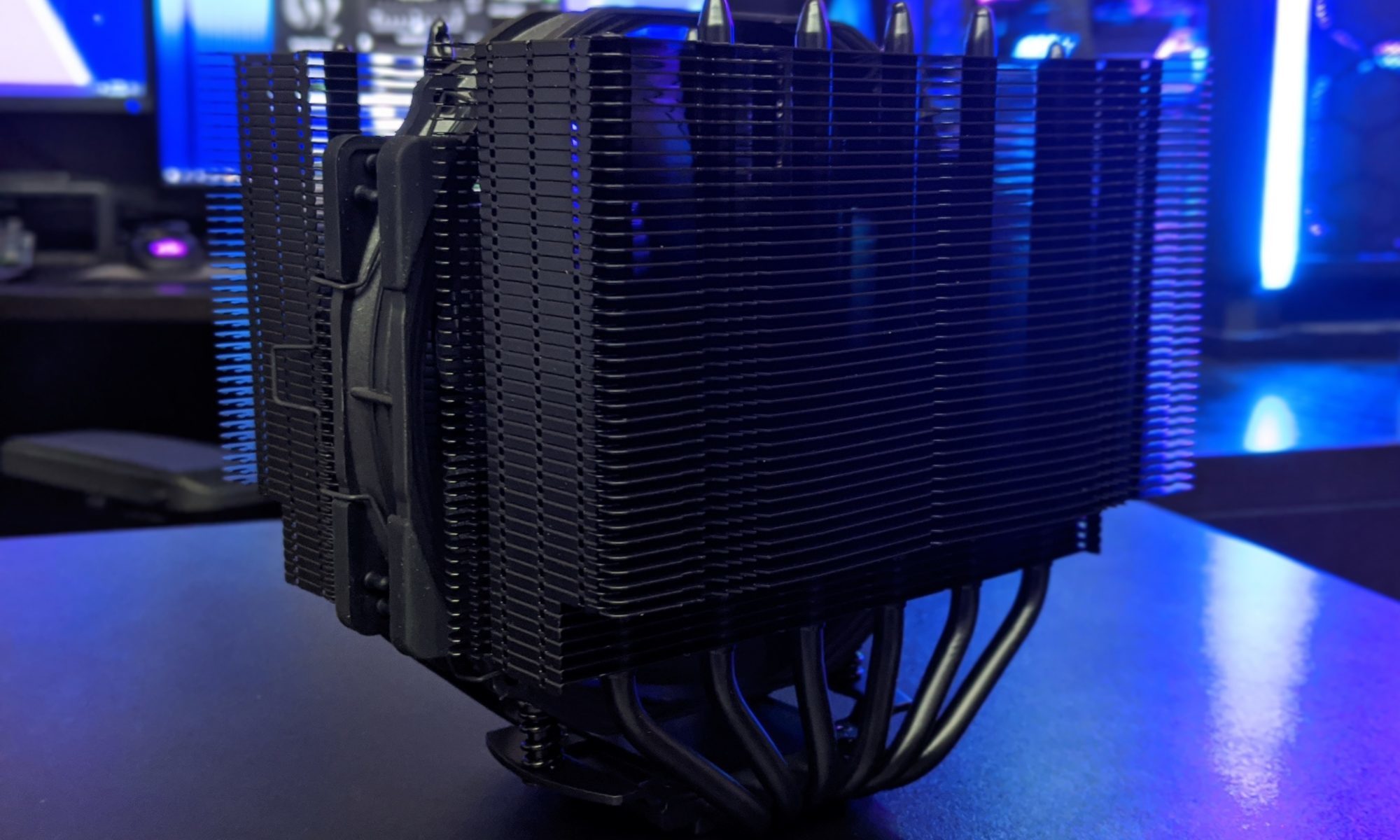
Scythe Fuma 3 Vs Noctua NH-U12S Redux For Quiet Cooling
Quiet CPU cooling is less about achieving the lowest possible temperature and more about balancing heat, fan speed, case airflow, and acoustics. Scythe’s Fuma 3 and Noctua’s NH-U12S Redux take different approaches to that balance. The Fuma 3 uses a compact dual-tower layout with two fans, while the NH-U12S Redux relies on a slim single tower and one well-regarded 120 mm fan.
Both coolers target mainstream desktop systems, including gaming PCs and productivity builds that do not need a large 140 mm tower. Their prices can overlap, making the choice less obvious than the specification sheets suggest. The better option depends on processor power, chassis clearance, installation preferences, and how sensitive you are to fan noise.
For this comparison, the focus is sustained cooling rather than short benchmark bursts. That means looking at thermal consistency, acoustic behavior, memory clearance, mounting hardware, and practical value. The result is a useful split between a stronger heavy-load performer and a simpler, exceptionally compatible alternative.
Design And Installation
The Scythe Fuma 3 is a dual-tower heatsink with six heatpipes and an offset structure designed to avoid blocking the first PCIe slot or covering tall memory modules. Its two-fan arrangement combines a full-width 120 mm unit with a slimmer fan between or around the towers, depending on the installation configuration. This provides a large fin area without the extreme height of many large dual-tower coolers.
Noctua’s NH-U12S Redux is more conventional. Its single tower is approximately 158 mm tall and uses four heatpipes connected to a dense fin stack. The included NF-P12 redux-1700 PWM fan has a broad speed range and a familiar frame design, while Noctua’s SecuFirm2 mounting system gives the cooler a particularly secure, even installation.
The Fuma 3 takes longer to assemble because the second fan and central mounting access require more attention. The NH-U12S Redux is easier to handle inside a cramped case, although its spring-loaded mounting bar can still require careful screwdriver access. Neither cooler is difficult for an experienced builder, but Noctua offers the more polished installation experience.
Thermal Performance Under Load
With a modern six- or eight-core processor, both coolers are capable of keeping temperatures within a comfortable range at stock settings. At low and moderate loads, the difference is small because both heatsinks have enough capacity to dissipate brief bursts without immediately raising fan speed. Background tasks and typical gaming loads therefore feel similar.
The Fuma 3 pulls ahead during extended all-core workloads. Its additional tower, heatpipes, and second fan allow it to move heat through a larger fin area while maintaining lower rotational speeds. The advantage is most visible with processors running around 125 to 170 watts, where a single-tower cooler has less thermal headroom.
That pattern is consistent with the broader difference between compact single-tower and dual-tower designs discussed in this cooler comparison. The NH-U12S Redux remains perfectly serviceable for a locked or efficiently tuned CPU, but the Fuma 3 is the stronger choice for sustained rendering, code compilation, and power-unlimited boosting.
On a modest processor, the gap may be only a few degrees, and motherboard fan curves can erase much of the practical difference. With a power-hungry chip, however, the Fuma 3 is more likely to prevent thermal throttling and maintain higher boost clocks without requiring aggressive fan speeds.
Noise And Acoustic Character
Noise quality is where the comparison becomes more nuanced. The Fuma 3 has greater cooling capacity, so it can often operate at lower fan speeds during a fixed workload. Its fans still produce a layered sound because two rotors are working together, and the slim fan can have a slightly sharper tonal character at higher speed.
The NH-U12S Redux uses one fan, which creates a simpler acoustic profile. At low speed, it is easy to integrate into a quiet system, and there is less turbulence from multiple fans interacting with separate sections of the fin stack. Once the processor reaches a sustained high load, the single fan must spin faster, making the sound more noticeable than the Fuma 3’s lower-speed output.
Neither cooler is silent when a high-end CPU is drawing maximum power. The practical distinction is that the Fuma 3 tends to deliver lower noise at a given thermal target, while the Noctua cooler can sound less complex at light loads. A well-tuned motherboard curve is important for both, particularly because short temperature spikes can otherwise trigger unnecessary speed changes.
Head-To-Head Results
The following summary reflects their typical behavior in a well-ventilated ATX or micro-ATX case using the supplied fans and a sensible PWM curve. Exact temperatures will vary with ambient temperature, CPU contact, motherboard power limits, and case airflow.
| Category | Scythe Fuma 3 | Noctua NH-U12S Redux |
|---|---|---|
| Cooling capacity | Higher, especially under sustained load | Moderate and consistent |
| Fan configuration | Dual 120 mm-class fans | One 120 mm fan |
| Low-load acoustics | Very quiet when tuned | Very quiet with a simpler sound |
| Heavy-load noise | Usually lower at the same CPU temperature | Fan speed rises sooner |
| Memory clearance | Good because of offset design | Excellent around the front of the socket |
| Installation | More involved | Easier and more refined |
| Case height | Around 154 mm | Around 158 mm |
| Best pairing | Efficient to high-power CPUs | Mainstream CPUs and compact builds |
| Upgrade flexibility | Stronger thermal headroom | Better simplicity and access |
| Typical value | Better performance per dollar when similarly priced | Better mounting and compatibility experience |
Clearance And Platform Compatibility
The Fuma 3’s lower height is useful in cases with a strict cooler limit, but its width and asymmetric fin arrangement still deserve attention. Tall RGB memory can usually remain installed because the front tower is offset, though the front fan may need to be raised. Moving that fan upward increases the total cooler height, potentially defeating the original clearance advantage.
The NH-U12S Redux is narrower and leaves the surrounding socket area unusually accessible. That makes it attractive for systems with four DIMM slots, tall heat spreaders, or a large rear I/O shroud. Its standard tower shape also makes it easier to predict whether it will fit around motherboard heatsinks.
Socket support is broad for both coolers, including current mainstream AMD and Intel platforms when the correct mounting hardware is supplied. Buyers should still check the retail package and revision, particularly for newer sockets. Noctua generally has a strong reputation for long-term mounting support, while Scythe’s included hardware is adequate but less luxurious.
Case airflow affects the Fuma 3 more than its raw specifications imply. A front-to-back airflow path lets both towers exhaust heat efficiently. In a restricted case with a weak rear fan, the NH-U12S Redux may perform closer to its larger rival than expected because its single tower presents a simpler path for warm air to leave the socket area.
Value For Different Builds
The Fuma 3 makes the most sense when its price is close to that of the NH-U12S Redux. It delivers a noticeably larger thermal margin and is better suited to CPUs that sustain high package power. That extra capacity can also extend fan life and reduce noise after a later CPU upgrade.
The Noctua model earns its place through refinement rather than maximum performance. Its mounting system is excellent, the fan is easy to replace, and its narrower single-tower design works in a wider range of memory-heavy systems. For an efficient Ryzen 5, Core i5, or similar processor, paying more for the Fuma 3 may provide little benefit during everyday use.
There is also a maintenance advantage to the simpler design. Removing one fan and one tower section is quicker when cleaning dust, and replacement fan selection is straightforward. The Fuma 3 is still serviceable, but its dual-fan arrangement adds clips, wiring, and a little more work during routine maintenance.
Choosing The Right Quiet Cooler
Consider the following priorities before selecting between these CPU air coolers:
- Choose the Scythe Fuma 3 for sustained multi-core workloads, higher-power processors, or future upgrades.
- Choose the NH-U12S Redux when easy installation, memory access, and predictable motherboard clearance matter most.
- Check the case’s maximum CPU cooler height before buying, especially if the Fuma 3’s front fan may need to be raised.
- Use a custom PWM curve to prevent brief temperature spikes from causing distracting fan ramping.
- Compare current street prices, since the Fuma 3’s performance advantage is most compelling when both coolers cost roughly the same.
For quiet gaming systems, either model can work well when paired with sensible power limits and a case with unobstructed intake and exhaust fans. The Fuma 3 is the more capable cooler and usually the better enthusiast purchase, while the NH-U12S Redux is the cleaner fit for restrained builds that value simplicity over maximum thermal capacity.
The final decision should follow the processor and case rather than brand loyalty. Pick the Fuma 3 when sustained temperature and low-load-to-heavy-load noise control are the priorities; select the NH-U12S Redux when installation quality, compact access, and dependable everyday cooling carry more weight. Check current pricing and platform compatibility at Hardware Hounds before finalizing the build.