Guides
- Best budget 1TB PCIe 4.0 SSDs under $80A 1TB PCIe 4.0 solid-state drive is now one of the easiest PC upgrades to recommend. It offers enough room for Windows, applications, and a substantial game…
- How fan speed curves shape CPU temperature and noiseA fan speed curve is the control logic that translates CPU temperature into fan revolutions per minute. It may look like a simple graph in a motherboard…
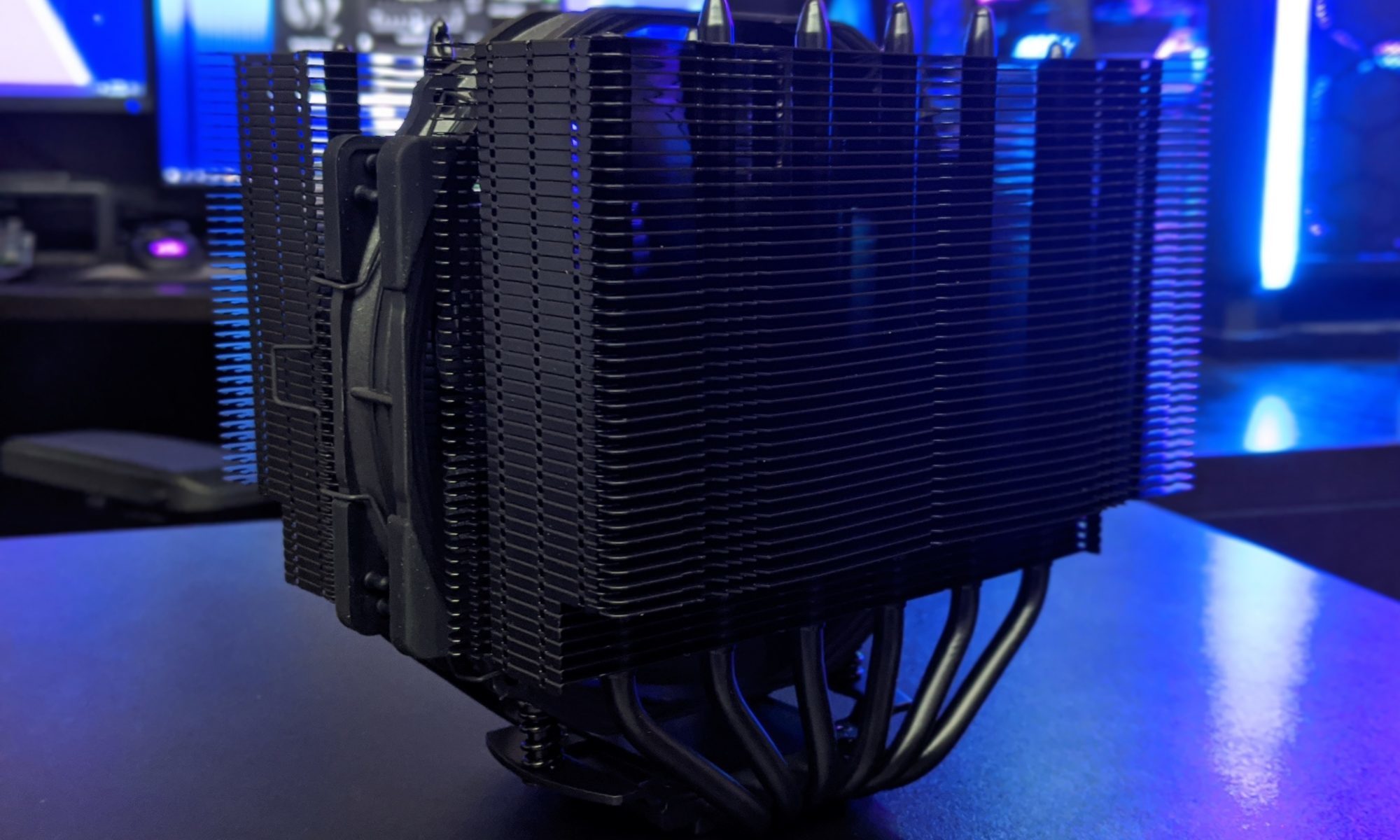
- Thermalright Peerless Assassin 120 SE vs SilverStone UFOChoosing a CPU cooler is rarely about socket support alone. The heatsink must fit the case, clear the memory slots, stay quiet during sustained workloads, and…
- How to choose the right case for vertical GPU mountingVertical graphics card mounting can transform the look of a gaming PC, showcase a premium cooler, and create a cleaner visual layout around the motherboard. It…
- Best 140mm fans for radiator cooling in 2025A 140mm liquid-cooling radiator can move substantial air through a large fin stack while running at lower speeds than a 120mm equivalent. The right fan still…
- Are high-end motherboards worth it for a mid-range CPUA premium motherboard can make a PC build feel more complete, but its price does not automatically translate into higher frame rates or faster application…
- DDR5 vs DDR4 for Productivity WorkloadsChoosing memory for a productivity PC is less straightforward than comparing generations by specification alone. DDR5 offers substantially higher bandwidth,…
- Phanteks Eclipse G360A Airflow And Noise TestedThe Phanteks Eclipse G360A is built around a simple enthusiast priority: move plenty of air without turning a gaming PC into a constant source of fan noise.…
- Best 240mm AIO Coolers for Small Form Factor CasesA 240mm all-in-one liquid cooler is often the practical limit for a compact gaming PC. It offers substantially more radiator area than a 120mm or 140mm unit,…
- How to Reduce GPU Junction Temperature by 10°C With Simple ModsGPU junction temperature, also called hotspot temperature, reveals the warmest point inside a graphics card die. It can sit 10–30°C above the reported GPU core…