Guides
- Intel Undervolt Locks Put To The Performance TestUndervolting has long been a useful way to reduce CPU temperature, fan noise and power draw without sacrificing meaningful speed. A carefully tuned negative…
- Why some motherboards use double-sided M.2 coolingFor most of the past decade, the M.2 slot quietly sat on motherboards as the small, lonely interface nobody worried about thermals on. That has changed…
- SATA vs NVMe in Real-World Game Loading: Is There a Perceptible DifferenceStorage marketing loves raw throughput numbers. Five thousand megabytes a second reads like a flex, while 550 MB/s starts to look embarrassing on a spec sheet.…
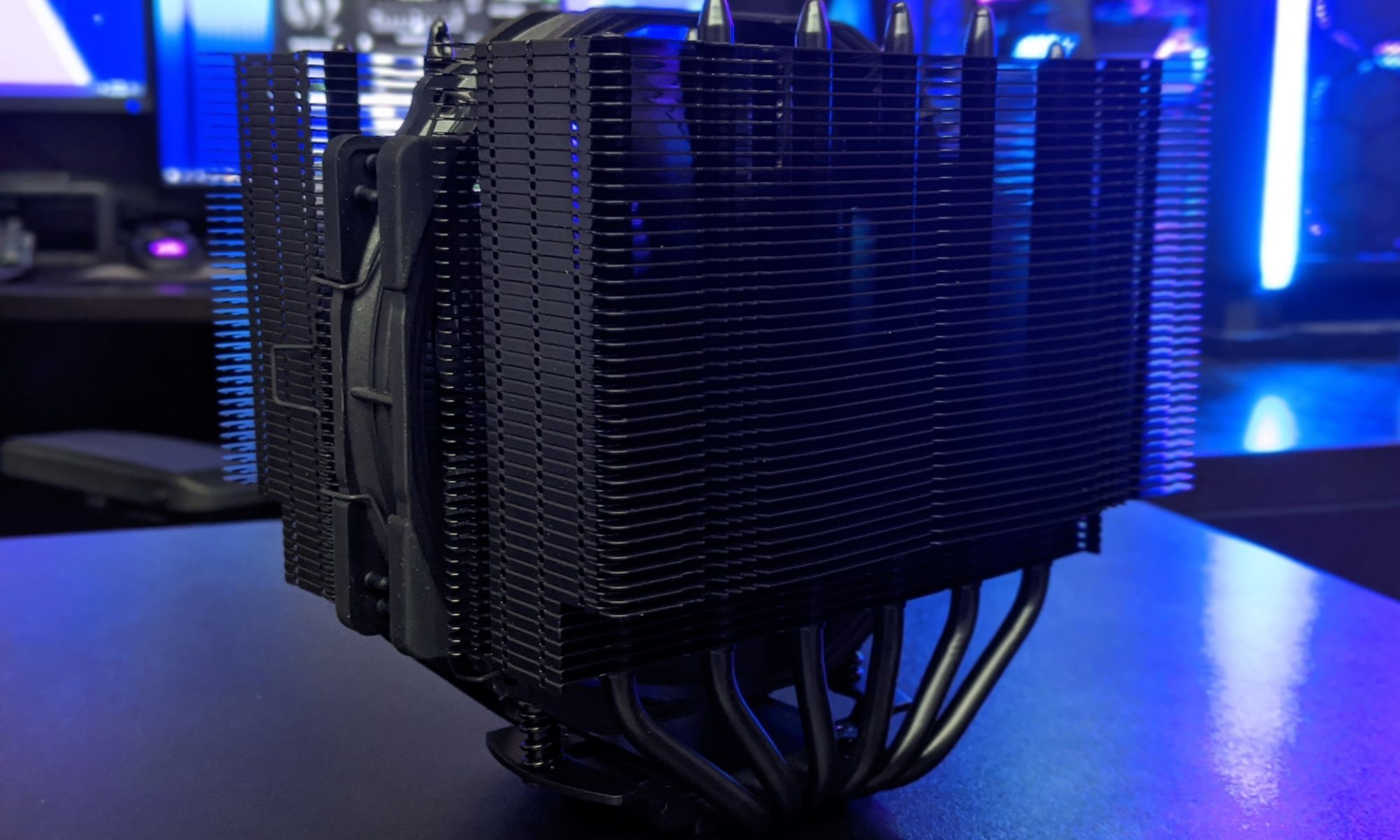
- Affordable CPU coolers under $50 that leave stock coolers in the dustStock coolers that come bundled with retail processors get the job done in a pinch, but they were never designed to keep a chip comfortable under serious load.…
- Safely Bench Testing a GPU Outside Your PC CaseBench testing a graphics card on an open bench is a routine step for Australian PC enthusiasts, whether you have picked up a second-hand RTX 4070 from a…
- Radiator Fan Configurations For 360mm Liquid CoolersA 360mm radiator gives a liquid CPU cooler plenty of surface area, but its fan arrangement still affects temperatures, noise, case compatibility, and value.…
- Squeezing Full-Size Graphics Cards Into Mini-ITX CasesMini-ITX cases have grown up. What started as a niche format for low-power home theatre PCs now hosts serious gaming hardware, complete with flagship GPUs,…
- Virtualization performance: how many cores does a homelab needA homelab can begin with a retired office PC and quickly grow into a compact private cloud. A few virtual machines may handle Home Assistant, file storage,…
- Best USB-C Hubs for Connecting Multiple Peripherals to a DesktopModern desktops ship with more connectivity than ever, yet plenty of builders still hit a wall when their tower lives under the desk and their peripherals…
- Thermal paste patterns for large CPU heat spreadersThermal paste application looks like a tiny step in a PC build, yet it can influence peak temperature, fan speed and boost behaviour. The basic job is…